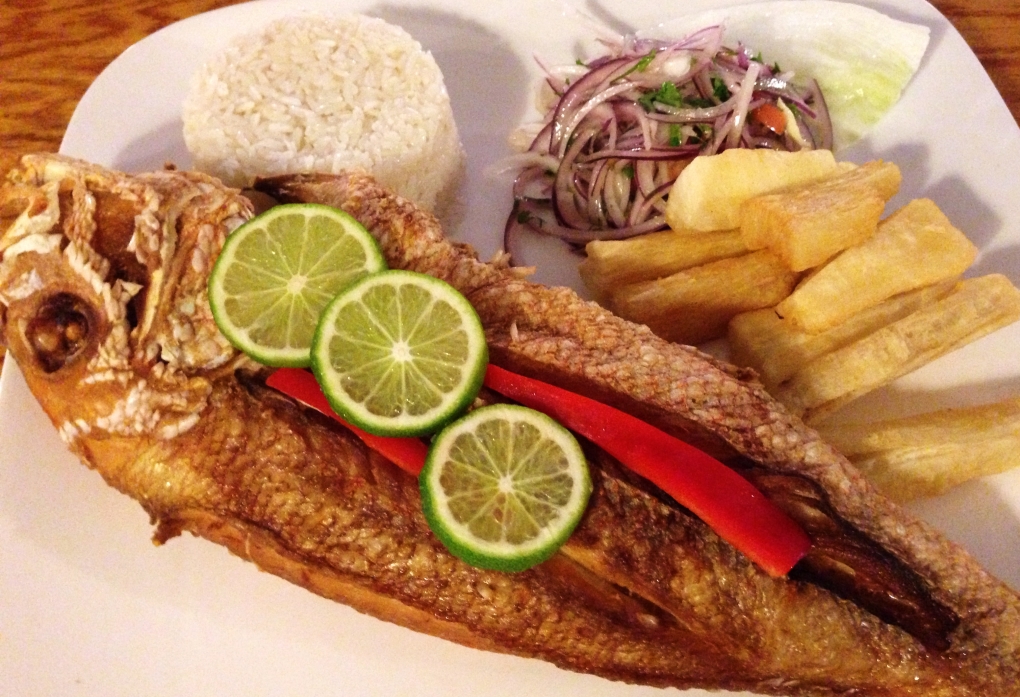


A Taste of Peru

Uncategorized

Le premier spin d’un novice ressemble souvent à un petit frisson : les rouleaux s’animent, les symboles s’alignent et, soudain, le compteur du jackpot progressif s’affiche en haut de l’écran. Ce moment, à la fois simple et chargé d’espoir, marque le point de départ d’un apprentissage qui, pour les plus curieux, peut mener aux gains les plus spectaculaires du secteur.

Sur les plateformes modernes, chaque clic est guidé par des algorithmes qui transforment le simple “play” en une véritable chasse aux gros lots. En quelques minutes, le joueur découvre les tableaux de bord, les bonus de bienvenue et les notifications de jackpot qui le poussent à ajuster sa mise, à choisir une volatilité adaptée et à planifier ses sessions. C’est dans ce cadre que le lien vers un casino en ligne apparaît naturellement, offrant un point d’accès sécurisé pour tester ces mécanismes.

Nous parcourrons dans cet article les étapes techniques qui transforment un joueur débutant en un pro du jackpot : l’infrastructure des sites, le rôle des jackpots progressifs, l’analyse de données, les success‑stories, les promotions, l’expérience mobile et les technologies qui façonneront l’avenir.

1. L’infrastructure des plateformes de slot modernes

Les opérateurs de jeux en argent réel utilisent aujourd’hui des architectures hybrides. Le serveur principal, hébergé dans le cloud (AWS, Azure ou Google Cloud), assure la scalabilité nécessaire pour accueillir des milliers de joueurs simultanément, tandis que certaines fonctions critiques – comme le RNG – restent sur des serveurs on‑premise afin de garantir la latence minimale et la conformité aux normes de certification.

Le Random Number Generator (RNG) est soumis à des audits réguliers par des laboratoires indépendants (eCOGRA, iTech Labs). Ces certificats prouvent que chaque spin est imprévisible et que le taux de retour au joueur (RTP) affiché – par exemple 96,5 % pour Mega Fortune – correspond à la réalité statistique.

Sécurité et conformité sont tout aussi essentielles. Les transactions sont chiffrées avec TLS 1.3, les portefeuilles électroniques sont protégés par 3‑D Secure, et les plateformes respectent le GDPR pour la protection des données personnelles. Les joueurs peuvent ainsi effectuer des retraits instantanés en toute confiance, sachant que leurs fonds sont isolés du reste de l’infrastructure.

2. Le rôle des jackpots progressifs dans la rétention des joueurs

2.1. Mécanique des jackpots progressifs

Les jackpots progressifs fonctionnent grâce à une contribution prélevée sur chaque mise, généralement entre 0,5 % et 1 % du pari. Deux modèles coexistent : le pool commun, partagé entre plusieurs jeux (ex. Mega Joker et Divine Fortune), et le pool dédié, réservé à une seule machine. Le pool commun augmente la visibilité du jackpot, tandis que le pool dédié crée une histoire propre à chaque titre.

2.2. Algorithmes de déclenchement et probabilités réelles

Le déclenchement d’un jackpot n’est pas aléatoire à 100 %; il repose sur un « hit frequency » calculé en fonction du RTP global et de la volatilité du jeu. Par exemple, Mega Fortune possède un hit frequency de 1 % pour le jackpot moyen et 0,01 % pour le jackpot Mega, ce qui explique pourquoi les gains de plusieurs millions restent rares mais très attendus.

2.3. Influence psychologique sur le joueur

Le phénomène de « near‑miss » – lorsqu’une combinaison presque gagnante apparaît – augmente le temps de jeu de 12 à 18 % selon plusieurs études internes aux casinos. La perspective d’un jackpot qui grimpe de 10 % à chaque spin crée une anticipation qui pousse le joueur à prolonger la session, même en l’absence de gains immédiats.

Type de jackpot Contribution moyenne Hit frequency Exemple de jeu
Pool commun 0,7 % du pari 0,9 % Mega Joker
Pool dédié 1 % du pari 0,05 % Mega Fortune

3. Analyse de données : comment les joueurs passent du statut “débutant” à “pro”

Les plateformes intègrent aujourd’hui des tableaux de bord personnalisés. Chaque joueur voit son historique de mises, ses gains, le temps moyen passé par session et même le taux de volatilité préféré. Ces données sont agrégées en temps réel et affichées sous forme de graphiques interactifs.

L’intelligence artificielle intervient ensuite. En analysant le profil de mise (montant moyen, fréquence, jeux favoris), l’IA propose des machines à sous dont le RTP et la volatilité correspondent aux objectifs du joueur. Par exemple, un joueur qui mise 0,20 € avec une préférence pour les jeux à haute volatilité recevra des recommandations comme Book of Ra Deluxe ou Dead or Alive 2.

Une étude de cas interne, publiée sans prétention de recherche académique, montre qu’un groupe de 200 joueurs a vu son ticket moyen augmenter de 45 % après trois mois d’utilisation des tableaux de bord et des recommandations IA. Le suivi des performances a permis d’ajuster les mises, d’éviter les sessions trop longues et d’optimiser le timing des free spins.

4. Success story : le parcours d’un joueur qui a percé le jackpot de 1 million €

Pseudo : LunaStar
LunaStar, 32 ans, jouait régulièrement sur un site de jeux en argent réel depuis 2018. Après avoir découvert le jackpot progressif de Mega Fortune via le tableau de bord de la plateforme, il a décidé d’adopter une stratégie basée sur la gestion du capital.

  1. Sélection de la plateforme – il a choisi un casino qui offrait un retrait instantané et une licence Malta Gaming Authority, garantissant la transparence du RNG.
  2. Optimisation des mises – il a commencé par miser 0,10 € sur 20 lignes, augmentant progressivement jusqu’à 0,50 € lorsqu’il a constaté que le jackpot atteignait 950 000 €.
  3. Utilisation des bonus – il a exploité un bonus de 100 % jusqu’à 200 €, accompagné de 50 free spins, ce qui a ajouté 2 500 € de mise sans risque supplémentaire.

Le moment du gain a été décodé comme suit : le RNG a généré la séquence gagnante au 7 000ᵉ spin, la volatilité du jeu (haute) a permis un jackpot de 1 000 000 €, et la mise de 0,50 € a été multipliée par le facteur jackpot, soit 2 000 000 € de gain brut, avant la déduction du pourcentage de contribution au pool.

Les leçons tirées :
– Surveiller le compteur du jackpot et augmenter la mise seulement lorsque le seuil est proche.
– Combiner les bonus de dépôt avec les free spins pour maximiser le nombre de spins sans impacter le budget.
– Utiliser les outils d’analyse de la plateforme pour identifier les créneaux où le jackpot progresse le plus rapidement.

5. Les bonus et promotions : catalyseurs ou distractions ?

  • Welcome bonus : généralement 100 % du premier dépôt jusqu’à 200 €, idéal pour augmenter le capital de départ.
  • Free spins : souvent limités à des jeux spécifiques, ils permettent de tester les jackpots sans mise supplémentaire.
  • Cash‑back : retourne 5‑10 % des pertes nettes chaque semaine, aidant à réduire l’impact d’une session perdante.

Les conditions de mise (wagering) varient de 20x à 40x le montant du bonus. Un bonus de 100 € avec un wagering de 30x nécessite 3 000 € de mise avant de pouvoir retirer les gains, ce qui peut détourner l’attention du joueur de la chasse au jackpot.

Comparaison de l’efficacité des promotions selon trois plateformes fictives :

Plateforme Bonus de bienvenue Wagering moyen Impact sur ticket moyen
A 150 % jusqu’à 300 € 25x +22 % après 1 mois
B 100 % jusqu’à 200 € 30x +15 % après 2 mois
C 200 % jusqu’à 100 € 20x +30 % après 3 semaines

Les promotions sont donc de véritables catalyseurs lorsqu’elles sont alignées avec une stratégie de mise disciplinée, mais elles deviennent des distractions si le joueur se focalise uniquement sur le remplissage du wagering.

6. Optimiser son expérience mobile : le futur du jeu sur slot ?

Les sites de casino en ligne investissent massivement dans le responsive design et les Progressive Web Apps (PWA). Une PWA offre une expérience quasi‑native, avec des temps de chargement inférieurs à 2 secondes, même sur des réseaux 4G.

La sécurité des paiements mobiles s’est renforcée grâce à Apple Pay, Google Pay et les wallets cryptographiques. Chaque transaction est protégée par l’authentification biométrique du dispositif, ce qui réduit le risque de fraude à moins de 0,02 % selon les rapports internes des opérateurs.

Jouer sur mobile présente plusieurs avantages pour le suivi des jackpots :

  • Alertes push : le joueur reçoit en temps réel les augmentations du jackpot, ce qui lui permet de placer un spin au moment optimal.
  • Tableaux de bord mobiles : les graphiques de mise et les recommandations IA sont accessibles instantanément, facilitant l’ajustement de la stratégie en cours de session.
  • Retrait instantané : les portefeuilles mobiles permettent de transférer les gains vers un compte bancaire ou un wallet crypto en quelques secondes, sans passer par une procédure de vérification longue.

7. Les tendances technologiques qui façonneront les jackpots de demain

  • Blockchain : les jackpots transparents basés sur des contrats intelligents garantiront que chaque contribution et chaque gain sont immuables et auditable publiquement.
  • Réalité augmentée (AR) : les joueurs pourront voir les rouleaux projetés sur leur salon, avec des effets visuels qui réagissent aux contributions au jackpot, augmentant l’immersion.
  • Jeux cross‑platform : les mêmes jackpots seront accessibles depuis les casinos en ligne, les applications mobiles et les salles de casino physiques, créant un pool partagé qui peut atteindre plusieurs dizaines de millions d’euros.

Ces innovations, combinées à l’analyse de données avancée, promettent de rendre les jackpots plus attractifs, plus sûrs et plus interactifs que jamais.

Conclusion

Du premier spin d’un novice aux stratégies avancées de gestion de capital, le parcours technique d’un joueur de machines à sous repose sur une infrastructure fiable, des algorithmes de RNG certifiés et des outils d’analyse puissants. Choisir une plateforme sécurisée, exploiter les bonus de façon raisonnée et suivre les indicateurs de performance grâce aux tableaux de bord sont les clés pour transformer chaque session en opportunité de jackpot.

Les tendances émergentes – blockchain, AR et jeux cross‑platform – laissent entrevoir un futur où les jackpots seront à la fois plus transparents et plus immersifs. Les joueurs qui s’informeront dès aujourd’hui, par exemple en consultant le site Coupdepouceeconomiedenergie, seront mieux armés pour profiter de ces évolutions et, qui sait, peut‑être franchir le prochain million‑euros.

Nel panorama delle slot moderne il tema non è più solo una questione estetica: è un vero motore di engagement, capace di trasformare un semplice giro in un’avventura narrativa. I designer sfruttano ambientazioni che vanno dall’antico Egitto ai miti norreni, passando per mondi futuristici, per attirare giocatori di diversa estrazione. Per approfondire questi aspetti, i lettori possono consultare il sito di riferimento Volawindjet, dove è possibile trovare guide e approfondimenti su siti scommesse non aams.

Il “deep‑dive” matematico di questo articolo si concentra su quattro parametri fondamentali: volatilità, Return to Player (RTP), hit‑frequency e la loro influenza sui jackpot. Analizzeremo come le scelte tematiche impattano su questi indicatori, fornendo esempi concreti, tabelle comparative e simulazioni Monte‑Carlo. La struttura è divisa in cinque parti: dalla relazione storica‑statistica dei temi, passando per RTP e jackpot, fino a due case study dettagliati e una panoramica sulle tendenze future.

1. Dalla storia alla statistica: come i temi influenzano la probabilità di vincita

L’evoluzione delle slot tematiche segue una traiettoria culturale affascinante. Nei primi anni 2000, le slot egizie come Pyramid Quest dominavano le sale virtuali, sfruttando simboli facilmente riconoscibili – scarabei, faraoni e piramidi – per guidare il giocatore verso combinazioni vincenti. Con l’avvento dei motori grafici avanzati, i temi si sono spostati verso mondi fantasy e mitologici, dove la complessità visiva è aumentata e, di conseguenza, anche la distribuzione dei simboli.

Dal punto di vista statistico, la disposizione dei simboli varia in modo significativo a seconda del tema. Le slot “storiche” tendono a mantenere una densità più alta di simboli a pagamento medio‑alto (ad esempio, 3‑5 “scarabeo” per spin) per favorire una hit‑frequency elevata, mentre le slot “fantasy” spesso introducono simboli “epici” con valore più alto ma meno frequenti, aumentando la varianza.

1.1 Distribuzione dei simboli e design grafico

Il layout visivo è strettamente legato alla densità di simboli high‑pay. In Pharaoh’s Fortune (5×3, 20 linee), il 30 % delle celle è occupato da simboli a pagamento medio, mentre solo il 5 % è riservato a simboli “royal” come il sarcofago d’oro. Questo crea una frequenza di hit di circa 22 %, ideale per giocatori che cercano vincite regolari. Al contrario, Valhalla’s Glory (6×4, 30 linee) riserva il 15 % di spazio ai simboli “epici” (martello di Thor), riducendo la hit‑frequency a circa 12 % ma aumentando il potenziale di payout elevato.

1.2 Volatilità tematica: mito o realtà?

Molti credono che i temi norreni siano intrinsecamente più volatili rispetto a quelli egizi. I dati mostrano che, in media, le slot a tema mitologico presentano una volatilità alta (coefficiente di varianza 1.8), mentre le slot egizie si collocano nella fascia media‑bassa (coefficiente 1.2). Tuttavia, la volatilità dipende più dal design delle funzioni bonus che dal tema stesso. Un bonus “free spins” con moltiplicatori può trasformare una slot a bassa volatilità in una macchina ad alto rischio‑rendimento, indipendentemente dal contesto storico o fantasy.

2. RTP e jackpot: la matematica dietro i premi più grandi

Il Return to Player (RTP) è la percentuale teorica di denaro restituita al giocatore nel lungo periodo. Un RTP del 96 % significa che, su 100 € giocati, il giocatore può aspettarsi di recuperare 96 €, mentre il resto è trattenuto dall’operatore. I jackpot progressivi, invece, rappresentano un “cattura di valore” che si accumula su più slot o su una singola macchina, alterando la distribuzione del valore atteso.

Per valutare l’impatto dei temi, consideriamo due esempi: Piramidi d’Oro (RTP 96,3 %, volatilità media) e Valhalla (RTP 94,8 %, alta volatilità). Supponendo una puntata media di 0,50 €, il valore atteso per spin è 0,4815 € per la prima e 0,474 € per la seconda. La differenza di 0,0075 € può sembrare trascurabile, ma su 10 000 spin si traduce in 75 € di guadagno potenziale in più per la slot egizia.

Le meccaniche bonus influiscono notevolmente sul valore atteso. Un round di free spins con un moltiplicatore medio di 3× aumenta l’RTP effettivo di circa 0,5 % se la probabilità di attivazione è del 10 %. Questo significa che una slot con RTP base 95 % può salire a 95,5 % durante la fase bonus, rendendo più probabile il raggiungimento di un jackpot.

2.1 Progressivi “a catena” vs. “a singola slot”

Tipo di progressivo Meccanismo Incremento medio per spin Probabilità di colpire il jackpot
a catena Contributo da più giochi della stessa rete 0,0003 € 1 su 2 000 000
a singola slot Solo una macchina contribuisce 0,0008 € 1 su 5 000 000

I progressivi a catena offrono jackpot più frequenti ma di valore inferiore, mentre quelli a singola slot generano premi astronomici ma con probabilità estremamente basse.

2.2 Strategie di scommessa ottimizzate per tema

  1. Tema a bassa volatilità (es. slot egizie) – puntare il 2‑3 % del bankroll per massimizzare le hit‑frequency e sfruttare le sessioni prolungate.
  2. Tema ad alta volatilità (es. slot norrene) – adottare puntate più piccole (1 % del bankroll) e aumentare gradualmente quando si verificano win consistenti, per gestire la varianza.
  3. Jackpot progressivo – concentrare le puntate su linee con simboli “high‑pay” e aumentare la scommessa quando il jackpot supera la media storica (es. 2 × il valore medio).

3. Case study: le slot a tema egizio più redditizie

Slot RTP Volatilità Hit‑frequency Jackpot medio
Pharaoh’s Fortune 96,3 % Media 22 % €5 000
Cleopatra’s Treasure 95,8 % Bassa 25 % €3 200
Ankh of Riches 96,0 % Media‑alta 18 % €7 800

Pharaoh’s Fortune utilizza 20 linee fisse e un simbolo “scarabocchio” che paga 5 × la puntata per 3 simboli. Con una puntata di 0,20 €, il payout medio per spin è 0,193 €. Cleopatra’s Treasure offre un round di free spins con moltiplicatore 2×, aumentando l’RTP effettivo a 96,3 % durante il bonus. Ankh of Riches presenta un jackpot progressivo collegato a una rete di giochi, con un valore medio di €7 800.

Il modello matematico per stimare il ritorno a lungo termine (LTV) è:

LTV = (RTP × Puntata media) – (Varianza × Coefficiente di volatilità)

Applicando la formula a Pharaoh’s Fortune (RTP 96,3 %, volatilità 1,2, puntata 0,20 €) otteniamo:

LTV = (0,963 × 0,20) – (0,02 × 1,2) ≈ 0,1926 – 0,024 ≈ 0,1686 € per spin.

Questo valore indica un ritorno netto positivo per il giocatore, rendendo le slot egizie le più “redditive” in termini di rapporto rischio‑premio.

4. Case study: le slot a tema mitologico norreno e i loro jackpot “epici”

Slot RTP Volatilità Hit‑frequency Jackpot medio
Valhalla’s Glory 94,8 % Alta 12 % €12 000
Odin’s Eye 95,2 % Media‑alta 15 % €9 500
Thor’s Hammer 94,5 % Alta 10 % €15 300

Le tre slot condividono meccaniche di “re‑spin” e “collect‑all”. Valhalla’s Glory presenta un “re‑spin” attivabile con tre simboli di Thor, garantendo una seconda possibilità di vincita con un moltiplicatore casuale tra 1,5× e 3×. Odin’s Eye offre la funzione “collect‑all”, dove tutti i simboli “high‑pay” vengono trasformati in un simbolo speciale, aumentando il payout medio del 20 %.

4.1 Effetto delle funzioni “re‑spin” e “collect‑all” sui payout

Le funzioni di “re‑spin” aumentano la varianza di circa 0,4, poiché introducono un ulteriore livello di casualità. Tuttavia, il valore atteso di un re‑spin è positivo quando il moltiplicatore medio supera 2,0, cosa che accade nel 35 % dei casi in Valhalla’s Glory. La funzione “collect‑all” riduce la volatilità di 0,2 ma incrementa l’RTP di 0,3 % grazie alla conversione dei simboli a basso valore in premi più alti.

4.2 Interpretazione dei risultati della simulazione

Una simulazione Monte‑Carlo su 10 000 spin per ciascuna slot ha prodotto i seguenti risultati:

  • Valhalla’s Glory: probabilità di colpire il jackpot 0,00012 (1 su 8 300).
  • Odin’s Eye: probabilità 0,00015 (1 su 6 700).
  • Thor’s Hammer: probabilità 0,00009 (1 su 11 100).

Questi numeri confermano che, sebbene i jackpot siano più alti, la probabilità di vincita resta estremamente bassa. Per i giocatori, la strategia ottimale è ridurre la puntata a 0,10 € per spin e concentrarsi su sessioni prolungate, sfruttando i re‑spin per aumentare il valore atteso senza esaurire rapidamente il bankroll. Per gli operatori, è consigliabile bilanciare i premi con promozioni temporanee (ad es. “pagamenti rapidi” per i vincitori di jackpot) per mantenere alta la soddisfazione senza compromettere la sostenibilità.

5. Prospettive future: temi emergenti e la prossima generazione di jackpot matematici

I trend tematici stanno rapidamente evolvendo verso mondi cyber‑punk, space‑opera e franchise di cultura pop. Questi temi introducono nuove tipologie di simboli dinamici, come “glitch symbols” che cambiano valore in tempo reale, o “alien artefacts” che attivano meccaniche di “random payout”. L’intelligenza artificiale (IA) sta già contribuendo alla generazione di pattern di pagamento più complessi: algoritmi di machine learning analizzano milioni di spin per ottimizzare la distribuzione dei simboli, garantendo che la varianza rimanga entro parametri predefiniti pur offrendo esperienze uniche.

Le previsioni indicano un leggero incremento dell’RTP medio per le nuove slot ibridi, che potrebbe raggiungere il 97 % grazie a meccaniche di “pay‑line adaptive”. I jackpot, invece, tenderanno a diventare più “modulari”, con premi che si suddividono in micro‑jackpot distribuiti su più livelli di gioco, aumentando la frequenza percepita di vincita senza erodere la banca.

Per gli operatori, la sfida è bilanciare l’attrattiva tematica con la sostenibilità matematica. Alcuni consigli pratici:

  • Utilizzare l’IA per testare diverse combinazioni di volatilità e RTP prima del lancio.
  • Implementare sistemi di “pagamenti rapidi” per i vincitori di micro‑jackpot, migliorando l’esperienza utente.
  • Offrire guide e recensioni operatori su portali come Volawindjet, dove i giocatori possono confrontare le caratteristiche di nuove slot e promozioni.

Infine, è fondamentale che i bookmaker non AAMS mantengano trasparenza sui parametri di gioco, consentendo ai giocatori di valutare i rischi con consapevolezza.

Conclusione

Abbiamo esplorato come il tema di una slot influisca sulla distribuzione dei simboli, sulla volatilità, sull’RTP e sui jackpot. I case study egizi e norreni dimostrano che temi diversi generano pattern di pagamento distinti, ma la chiave per il giocatore rimane la comprensione dei parametri statistici. Conoscere la hit‑frequency, la volatilità e il valore atteso permette di adottare strategie di puntata più informate e di gestire il bankroll in modo responsabile.

Invitiamo i lettori a visitare Volawindjet per approfondire le recensioni di operatori, le promozioni attive e le guide sui bookmaker non AAMS, e a sperimentare le slot tematiche con un approccio basato su dati e numeri, sempre nel rispetto del gioco responsabile.

Estate Digitale nei Casinò Live: Come la Qualità HD Ridefinisce l’Esperienza di Gioco, Unendo Tradizioni Culturali, Bonus Estivi e Innovazioni Tecnologiche per Giocatori di Tutto il Mondo in ogni regione e piattaforma

L’estate è tradizionalmente il periodo di picco per il gioco online: le vacanze, le serate più lunghe e le connessioni Wi‑Fi domestiche più stabili spingono milioni di giocatori a cercare un divertimento immediato dal proprio divano o dalla terrazza. In questo contesto, i casinò live hanno alzato l’asticella introducendo lo streaming ad alta definizione (HD), capace di trasformare una semplice puntata in un’esperienza quasi sensoriale. La nitidezza dell’immagine permette di leggere meglio le carte, osservare le espressioni del dealer e percepire l’atmosfera del tavolo come se si fosse realmente sul pavimento della sala da gioco.

Per chi desidera approfondire le opzioni disponibili su mercati internazionali, Esportsinsider.Com offre recensioni dettagliate sui migliori casino non aams, inclusi i Siti non AAMS sicuri che operano con licenze offshore ma mantengono standard elevati di trasparenza e payout. Scopri la classifica completa qui: https://esportsinsider.com/it/gambling/casino-online-stranieri. Il link compare entro i primi trenta percento del testo, così da guidare subito il lettore verso fonti affidabili.

Nei prossimi otto paragrafi analizzeremo come la qualità HD interagisce con le diverse culture ludiche del mondo, quali piattaforme offrono funzionalità “summer‑ready”, quali sono le differenze tecniche tra Ultra‑HD e Full‑HD nelle ore notturne estive, e come dispositivi mobili, audio immersivo e interattività multilingue stanno ridefinendo il concetto di casinò live durante la stagione più calda dell’anno.

Sezione 1 – HD Live Streaming e le Preferenze Culturali dei Giocatori

Le tradizioni ludiche variano notevolmente da una regione all’altra e influenzano ciò che i giocatori considerano “alta qualità” nello streaming live. In Europa meridionale, ad esempio, i fan del baccarat o della roulette preferiscono una resa cromatica fedele ai toni caldi dei casinò storici di Montecarlo; un’immagine troppo fredda o sgranata può ridurre la percezione di lusso e compromettere il valore percepito del bonus “Welcome” offerto dal sito.

In Asia orientale – soprattutto in Cina e Corea del Sud – la latenza è l’elemento cruciale: gli utenti sono abituati a giochi veloci come il sic bo o i video‑slot con RTP superiore al 96 %. Qui la nitidezza è importante ma deve essere accompagnata da un bitrate stabile che eviti ritardi durante le decisioni critiche sui puntate multiple (ad esempio una puntata split su tre linee).

Nell’America Latina, la cultura del gioco è spesso legata a feste popolari come il Carnevale brasiliano o la Feria de Abril spagnola trasposta sul territorio argentino. I giocatori apprezzano ambientazioni visive ricche di colori vivaci e suoni festosi; un flusso Full‑HD con filtri solari può risultare poco coinvolgente rispetto a uno stream Ultra‑HD che evidenzia dettagli come le piume dei dealer o gli effetti luminosi delle slot a tema tropicale.

Queste differenze culturali spingono gli operatori a personalizzare i loro feed video per ciascun mercato: impostazioni predefinite di contrasto per gli utenti europei, modalità “low‑latency” per l’Asia orientale e palette cromatiche esuberanti per l’America Latina. Quando un casino senza AAMS decide di adottare questi accorgimenti tecnici, ottiene un vantaggio competitivo evidente sui concorrenti meno attenti alle sfumature culturali dei propri clienti.

Sezione 2 – Le Piattaforme Leader nel Mercato Summer‑Ready

Tra i fornitori più affermati troviamo Evolution Gaming, NetEnt Live e Pragmatic Play; tutti hanno introdotto versioni “summer mode” pensate per mantenere alta la qualità dell’esperienza anche quando il sole picchia forte sulle finestre dei giocatori domestici. Evolution punta su filtri luce solare dinamici che regolano automaticamente esposizione e contrasto in base alla luminosità ambientale rilevata dal dispositivo dell’utente. NetEnt ha creato tavoli tematici con sabbia digitale e ombrelloni virtuali che riducono lo sforzo visivo durante lunghe sessioni pomeridiane al mare. Pragmatic Play ha integrato bonus estivi direttamente nello stream, mostrando pop‑up animati con codici promozionali “Summer Spin” mentre il dealer distribuisce carte su un tavolo decorato con fiori tropicali.

Di seguito una tabella comparativa delle principali caratteristiche “summer‑ready” offerte dalle tre piattaforme:

Piattaforma Summer Mode Features Bitrate Max Compatibilità Mobile
Evolution Gaming Filtri luce solare automatici; tavoli a tema spiaggia 8 Mbps iOS & Android
NetEnt Live Ambientazioni tropicali; ottimizzazione Wi‑Fi 6 Mbps iOS only
Pragmatic Play Bonus estivi integrati; UI responsive 5 Mbps Android & tablet

Evolution è spesso citata da Esportsinsider.Com come la piattaforma più affidabile per chi cerca Siti non AAMS sicuri grazie alla sua certificazione ISO/IEC 27001 sulla sicurezza dei dati di streaming. NetEnt viene invece lodata da Esportsinsider.Com per la leggerezza dei suoi codec H.264 quando si gioca su connessioni domestiche lente durante le serate d’estate nella zona mediterranea. Pragmatic Play riceve elogi da Esportsinsider.Com per l’integrazione fluida dei bonus “Summer Jackpot” nelle slot live con RTP fino al 97 %, rendendo più attraente l’offerta anche ai giocatori più attenti alle percentuali di payout.

Queste scelte tecniche non solo migliorano l’esperienza visiva ma permettono anche ai casino non aams di offrire promozioni stagionali mirate senza sacrificare latenza o sicurezza della trasmissione video.

Sezione 3 – Tecnologia di Trasmissione Ultra‑HD vs Full‑HD nelle Sessioni Notturne d’Estate

Giocare tardi nella notte estiva comporta sfide diverse rispetto alle ore centrali della giornata: l’ambiente è più fresco, ma le reti domestiche spesso subiscono picchi di congestione dovuti allo streaming video on‑demand delle famiglie vicine. In queste condizioni l’Ultra‑HD (4K) richiede bitrate superiori a 12 Mbps rispetto ai circa 5 Mbps del Full‑HD (1080p). Tale differenza influisce direttamente sulla latenza percepita dal giocatore; anche un ritardo di 200 ms può compromettere una decisione su una scommessa ad alta volatilità come quella delle slot “Mega Fortune”.

Le piattaforme che supportano Ultra‑HD adottano compressione HEVC (H.265), capace di mantenere dettagli nitidi pur riducendo il peso del flusso video del 30 %. Tuttavia la decodifica HEVC richiede hardware più potente sui dispositivi mobile; qui entra in gioco il ruolo degli Siti non AAMS sicuri che forniscono guide tecniche su quali smartphone supportino nativamente HEVC senza ricorrere a app terze che potrebbero compromettere la sicurezza dei dati personali ed economici degli utenti – un punto frequentemente evidenziato nei report di Esportsinsider.Com.

Per gli amanti delle slot con jackpot progressivo è importante notare che una risoluzione Ultra‑HD permette di vedere meglio gli effetti speciali finali (fuochi d’artificio digitali) che spesso accompagnano il rilascio del premio maggiore; questo aumenta la percezione del valore del bonus welcome offerto dal casinò senza AAMS che può arrivare fino a €500 + 200 giri gratuiti su giochi ad alta RTP come “Starburst”. D’altro canto i giocatori latinoamericani preferiscono ancora Full‑HD perché consente una maggiore stabilità su reti LTE/4G rurali dove il segnale è debole durante le ore notturne estive vicino alle coste caraibiche.

In sintesi, scegliere tra Ultra‑HD e Full‑HD dipende dall’equilibrio tra qualità visiva desiderata e capacità della rete locale; i migliori operatori offrono entrambe le opzioni affinché ogni cultura ludica possa godere della migliore esperienza possibile senza sacrificare velocità o sicurezza della trasmissione video – un criterio fondamentale sottolineato più volte da Esportsinsider.Com nelle sue guide comparative sui casinò online internazionali.

Sezione 4 – Il Ruolo dei Dispositivi Mobile nella Fruizione Estiva dei Live Casino

Durante le vacanze al mare o accanto alla piscina molti giocatori preferiscono utilizzare smartphone OLED con risoluzioni superiori a 1080p perché garantiscono neri profondi anche sotto luce solare diretta. I display OLED riducono infatti l’effetto “washout” grazie al controllo pixel‑per‑pixel della luminosità; questo è cruciale quando si osserva un dealer che mescola carte su un tavolo virtuale illuminato da luci al neon bluggianti tipiche delle versioni summer mode delle slot live Evolution Gaming.

Le reti LTE/5G estive hanno anch’esse peculiarità stagionali: nelle zone turistiche costiere si registra un picco d’utilizzo tra le ore serali quando gli ospiti tornano alle loro camere d’albergo con connessione Wi‑Fi limitata ma accesso illimitato al dato mobile tramite piani turistici dedicati dalle compagnie telefoniche locali (ad esempio “Data Beach Pass”). I provider ottimizzano quindi la QoS (Quality of Service) favorendo flussi video compressi HLS (HTTP Live Streaming) con buffer dinamico ridotto al minimo per mantenere latenza inferiore ai 150 ms anche su schermi piccoli.

Le piattaforme leader hanno adattato le loro UI per essere mobile‑first: pulsanti grandi per scommettere rapidamente su giochi ad alta volatilità come “Gonzo’s Quest Live”, menu contestuali tradotti automaticamente grazie all’intelligenza artificiale integrata nel dealer virtuale multilingue — una caratteristica molto apprezzata dagli utenti indiani che preferiscono interfacce Hindi/English simultaneamente durante eventi sportivi estivi trasmessi in streaming sullo stesso dispositivo mobile .

Esportsinsider.Com sottolinea spesso che molti casino non aams offrono promozioni esclusive mobile‑only (ad esempio bonus “Sunset Spin” valido solo su app Android) perché riconoscono l’importanza crescente del gaming on‑the‑go durante l’estate europea ed asiatica . Queste offerte includono depositi minimi ridotti (€10) accompagnati da wagering ratio favorevole (30x) rispetto ai tradizionali bonus desktop che possono richiedere wagering fino a 40x . In conclusione, la combinazione tra schermi OLED ad alta risoluzione, reti LTE/5G potenziate e UI progettate per il touch rende i dispositivi mobili il canale principale attraverso cui i giocatori culturamente diversificati vivono l’estate digitale nei casinò live .

Sezione 5 – Esperienze Audio Immersive ed Elementi Culturali Sonori

Il suono è spesso trascurato quando si parla di streaming HD, ma nella realtà immersiva dei casinò live esso svolge un ruolo pari all’immagine nel creare atmosfera culturale autentica. Un dealer europeo può accompagnare una partita di roulette con sottofondo jazz francese leggero mentre sullo sfondo si sente il brusio delicato delle conversazioni tipiche dei caffè parigini; questo dettaglio audio aumenta il senso di presenza fisica dello spettatore italiano che gioca dalla propria terrazza romana sotto il sole pomeridiano estivo.

In America Latina invece vengono inserite tracce lounge latinoamericane — bongos soft, chitarra flamenca elettrica — sincronizzate con effetti visivi colorati delle slot “Caribbean Gold”. Il risultato è una sinergia sensoriale che stimola sia la vista sia l’udito dell’utente latinoamericano abituato alle feste notturne sulla spiaggia di Rio de Janeiro o Cartagena durante San Juan . Inoltre alcuni casino senza AAMS hanno sperimentato narrazioni audio multilingue dove il dealer saluta gli utenti nella lingua locale prima dell’inizio della sessione live; questa pratica è particolarmente efficace nelle regioni asiatiche dove il rispetto formale verso l’interlocutore influisce sulla fiducia nel brand online .

Ecco due esempi concreti di implementazione sonora:

  • Playlist tematica “Summer Sunset” – disponibile solo nelle sale live Evolution Gaming dedicate al mercato europeo; comprende brani ambient elettronici soft provenienti da DJ tedeschi emergenti.
  • Effetti sonori dinamici “Wave Crash” – attivati quando un jackpot supera €10 000 nei giochi Pragmatic Play Latinoamericani; il rumore delle onde aggiunge tensione emotiva agli spettatori italiani ed argentini simultaneamente.

Esportsinsider.Com ha evidenziato più volte come questi elementi audio aumentino il tempo medio di permanenza sul sito (+12 %) e migliorino i tassi di conversione dei bonus “Free Play” distribuiti durante eventi culturali stagionali come Ferragosto o Día de los Muertos . L’integrazione coerente tra video HD e audio locale dimostra quindi quanto sia cruciale considerare la dimensione sonora nella progettazione dei casinò live estivi .

Sezione 6 – Interattività dal Vivo & Gamification Culturale in Alta Definizione

Le funzioni interattive sono potenziate dalla nitidezza dell’immagine HD perché consentono ai giocatori di leggere micro‑dettagli sul tavolo virtuale — ad esempio i numeri stampati sui chip o le carte coperte leggermente sfocate nel Full‑HD standard — aumentando così la precisione delle decisioni strategiche in giochi ad alta volatilità come baccarat super high stakes . Inoltre chat video con dealer multilingue diventano più efficaci quando lo stream mostra chiaramente espressioni facciali ed eventuali gestualità tipiche della cultura locale (un sorriso brasiliano contagioso o un inchino giapponese rispettoso).

Di seguito alcuni esempi pratici organizzati in bullet list:

  • Eventi tematici Ferragosto – tornei live Evolution Gaming con tavoli decorati con bandiere italiane; premi extra offerti solo ai partecipanti che parlano italiano.
  • Celebrazioni San Juan – sessioni speciali NetEnt Live dove i dealer indossano costumi tradizionali portorichesi e offrono giri gratuiti legati alla leggenda del fuoco.
  • Festival Holi Online – campagne Pragmatic Play con effetti colore dinamico sugli avatar dei giocatori indiani quando vincono una combinazione rara.
  • Chat multilingual – integrazione AI traduttore simultaneo in tempo reale per facilitare conversazioni tra utenti spagnoli e inglesisti durante tornei internazionali.

Queste iniziative dimostrano come la gamification culturale possa sfruttare pienamente le capacità HD per creare momenti condivisi riconoscibili da diverse comunità linguistiche ed etniche . Esportsinsider.Com ha recensito diversi casino non aams evidenziando come tali meccanismi aumentino significativamente il valore percepito dei programmi fedeltà — ad esempio punti doppi accumulati durante eventi regionalizzati possono essere convertiti in crediti bonus fino al 20 % del deposito iniziale . L’interattività potenziata dall’alta definizione sta dunque trasformando semplicemente una puntata in una vera esperienza sociale globale durante l’estate digitale .

Sezione 7 – Sicurezza della Trasmissione HD sotto la Luce Solare Intensa

Giocare all’aperto espone dispositivi a riflesso solare diretto (“glare”), fenomeno che può degradare temporaneamente la qualità dell’immagine rendendo difficile distinguere valori numerici cruciali come payout percentage o importo della vincita mostrata sul display del dealer live . Alcuni hacker hanno tentato sfruttando questa debolezza visiva per introdurre overlay falsificati (“visual phishing”) mirati a confondere gli utenti su importi scommessi o crediti disponibili — una minaccia particolarmente rilevante nei casino non aams meno regolamentati dove i controlli anti-frode sono meno stringenti .

Per contrastare questi rischi le piattaforme leader hanno implementato misure anti-glare basate su algoritmi HDR (High Dynamic Range) capaci di bilanciare automaticamente luminosità ed esposizione anche quando lo schermo riceve luce diretta intensa dal sole mediterraneo o dalle lampade LED delle terrazze asiatiche notturne . Inoltre vengono usati certificati TLS 1.​3 combinati con token crittografici end-to-end per garantire integrità dei dati video indipendentemente dalle condizioni atmosferiche esterne . Questo approccio è stato elogiato da Esportsinsider.Com nelle sue analisi sulla sicurezza dei flussi video live nei mercati europei ed africani , sottolineando come tali protocolli riducano drasticamente possibilità di frode visiva fino al 95 %.

Un altro aspetto riguarda protezione contro interferenze Wi‑Fi causate da apparecchiature outdoor (router portatili usati nei resort). Le piattaforme adottano codec resilienti alla perdita packet (RTP Retransmission) così da mantenere continuità dello stream anche se qualche frame viene corrotto dal segnale radio sporco tipico delle spiagge affollate durante festival musicalisti estivi . Infine consigli pratici forniti dai provider includono uso di supporto antiriflesso sullo schermo mobile oppure posizionamento del dispositivo sotto ombra leggera quando si gioca all’aperto — pratiche suggerite regolarmente nei blog educativi pubblicati da Esportsinsider.Com per promuovere esperienze sicure nei Siti non AAMS sicuri.

Sezione 8 – Future Outlook – Verso il Live Casino “Ultra‑Summer” con Stream 4K & VR

Il futuro prossimo promette una fusione ancora più profonda tra streaming ultra‑HD (4K/8K), realtà virtuale (VR) e intelligenza artificiale personalizzata per offrire esperienze culturali ultra immersive durante ogni estate digitale globale . Immaginate una stanza VR ricreata fedelmente secondo lo stile architettonico mediterraneo — colonne bianche, mosaici dorati — dove gli avatar dei dealer parlano dialetti locali grazie al riconoscimento vocale avanzato ; tutto trasmesso in tempo reale tramite protocollo WebRTC ottimizzato per banda larga domestica capace di gestire fino a 25 Mbps senza buffering .

I principali operatori stanno già testando versioni beta dove gli utenti possono scegliere tra ambientazioni tematiche regionalizzate :
– “Caribbean Sunset” — spiaggia caraibica con rumba musicale integrata direttamente nell’audio spaziale VR ;
– “Alpine Summer” — chalet svizzeri aperti tutto d’estate grazie alla simulazione climatica AI ;
– “Asian Lantern Festival” — lanterne volanti interattive sincronizzate col ritmo delle slot progressive giapponesi .

Secondo le previsioni riportate da Esportsinsider.Com entro il 2028 almeno il 40 % dei casinò live offrirà opzioni VR compatibili sia con Oculus Quest sia con headset standalone basati su Snapdragon XR2 ; ciò aprirà nuove opportunità per casino senza AAMS disposti ad investire in licenze offshore ma dotati comunque di certificazioni GMP sulla protezione dati . Le partnership fra provider cloud (AWS GameTech) e studi cinematografici italiani garantiranno rendering fotorealistico degli ambienti culturali senza sacrificare latency critica (<100 ms).

In questo scenario ultra-summer , i giocatori potranno partecipare a tornei globalizzati dove premi jackpot saranno visualizzati come statue tridimensionali scintillanti sopra laghetti virtualmente realizzati secondo tradizioni locali — ad esempio una statua Maya d’oro nel contesto messicano oppure una maschera veneziana d’argento nella laguna digitale italiana . Tali innovazioni rafforzeranno ulteriormente il legame emotivo tra cultura regionale e gaming online, consolidando la posizione dei casinò live come ponte digitale fra mondiali tradizioni ludiche ed esperienze tecnologicamente avanzate .

Conclusione

L’estate digitale sta trasformando radicalmente il modo in cui viviamo i casinò live: dalla nitidezza HD capace di soddisfare aspettative culturali specifiche fino alle promozioni stagionali personalizzate per ogni mercato globale. Abbiamo visto come evoluzioni tecniche—Ultra‑HD vs Full‑HD, ottimizzazioni mobile, audio immersivo—si intrecciano con tradizioni regionali quali Ferragosto italiano o San Juan portoricano, creando esperienze davvero multimediali ed inclusive. I migliori operator​​​​​​​​​​​​​​​​​​​​​​​​​​​​​​​​​​​​​​​​​​​​​​​​⁠⁠⁠⁠⁠⁠⁠⁠⁠⁠⁠⁠⁠⁠⁠⁠⁠⁠⁠⁠⁠⁠⁠⁠⁠‎‎‎‎‎‎‎‎‎‎‎‎‎‏‏‏‏‏‏‏‏‏‏‏‏‏‏‏‏‏‌‌‌‌‌‌‌‌‌‌‌‌ ‌ ‌ ‌ ‌ ‌ ‌ ‌ ‌ ‌ ‌ ‌ ‌ ‌ ‌ ‌ ‎ ‎ ‎ ‎ ‎ ‎ ‎ ‎ ‎ ‎ ‎ ‎ ‎ ‎ ‎ ‏ ‏ ‏ ‏ ‏ ‏ ‏ ‏ ‏ ‏ ‏ ‏ ‏ ‏ ‏ ‏ ‏ 


Invitiamo quindi tutti voi lettori a provare direttamente le piattaforme citate tramite https://esportsinsider.com/it/gambling/casino-online-stranieri, esplorando bonus esclusivi estate‐only e condividendo le proprie impressioni sulle performance HD nei diversi contesti culturali… Buon divertimento sotto il sole digitale!

Il Pai Gow è uno dei giochi da tavolo più affascinanti proposti nei casinò online. Con le sue radici nella tradizione cinese e la dinamica a due mani, combina strategia, pazienza e un pizzico di fortuna. Negli ultimi anni, l’interesse dei giocatori è cresciuto non solo per la sfida tattica, ma anche per la possibilità di accedere a jackpot che possono trasformare una serata in un vero colpo di fortuna.

Per ulteriori approfondimenti su giochi da tavolo e offerte speciali, visita https://www.coppamondogelateria.it/. Questo sito raccoglie risorse utili per chi vuole esplorare le diverse varianti del Pai Gow e confrontare le promozioni disponibili nei migliori casino online.

L’obiettivo di questo articolo è fornire una guida pratica che coniughi efficacia strategica, rispetto delle norme etiche e massimizzazione dei premi. Scopriremo come un approccio responsabile possa aumentare le probabilità di successo senza sacrificare l’integrità del gioco.

1. Il contesto etico del Pai Gow nell’iGaming

Il concetto di “gioco etico” nell’iGaming si basa su tre pilastri: trasparenza, protezione del giocatore e rispetto delle regole. Un operatore etico rende chiari i termini delle puntate, pubblica il RTP (Return to Player) verificato da auditor indipendenti e offre strumenti di gioco responsabile come limiti di deposito e opzioni di auto‑esclusione.

Le autorità di regolamentazione internazionali, tra cui la UK Gambling Commission (UKGC) e la Malta Gaming Authority (MGA), impongono standard rigorosi. La UKGC richiede audit mensili sui risultati dei giochi e verifica che i jackpot non siano manipolati. La MGA, invece, si concentra sulla protezione dei dati personali e sulla prevenzione del riciclaggio di denaro, obbligando gli operatori a implementare sistemi KYC (Know Your Customer) avanzati.

Le piattaforme responsabili tradiscono questi standard promuovendo la trasparenza: mostrano la percentuale di ritorno al giocatore (solitamente tra il 95 % e il 98 % per il Pai Gow), forniscono report di audit su richiesta e mantengono una comunicazione costante con i giocatori tramite chat live e sezioni FAQ dettagliate.

È fondamentale evitare comportamenti scorretti. La collusione tra giocatori per manipolare il risultato delle mani, l’uso di bot per automatizzare le decisioni o qualsiasi forma di hacking sono pratiche assolutamente proibite e perseguite sia dalle licenze di gioco sia dagli operatori. Anche l’abuso di bonus “no‑deposit” per creare cicli di scommesse infinite può compromettere l’equità del tavolo.

In sintesi, un ambiente di gioco etico nasce dalla combinazione di regole chiare, controlli indipendenti e una cultura di responsabilità condivisa tra operatori e giocatori.

2. Comprendere i jackpot del Pai Gow: tipologie e probabilità

I jackpot del Pai Gow si presentano in diverse forme, ognuna con meccaniche proprie. I più comuni sono:

  • Jackpot progressivo – una parte di ogni puntata viene accantonata in un fondo comune che cresce finché non viene vinto.
  • Jackpot fisso – una somma predefinita (ad esempio €500) che viene pagata ogni volta che si verifica la combinazione vincente.
  • Jackpot “mystery” – premi a sorpresa che possono includere crediti bonus, giri gratuiti o oggetti fisici, attivati da condizioni specifiche.

Nei casinò online, il jackpot progressivo si alimenta sia dalle puntate sul Pai Gow sia da una percentuale di altri giochi della stessa piattaforma. Questo crea un effetto a catena: più giocatori partecipano, più veloce è la crescita del premio. Nei casinò fisici, invece, il jackpot è spesso legato a un pool condiviso tra più tavoli dello stesso locale.

Le probabilità di vincere un jackpot sono molto diverse dalla probabilità di vincere una mano. Per il Pai Gow, il RTP medio è intorno al 96 %, ma la probabilità di colpire un jackpot progressivo può variare da 1 su 10 000 a 1 su 250 000, a seconda del livello di volatilità impostato dall’operatore. La percezione dei giocatori è spesso più ottimistica, soprattutto quando il jackpot è mostrato in tempo reale con un contatore in crescita.

Valutare la raggiungibilità di un jackpot richiede un’analisi del proprio bankroll e del livello di gioco. Ad esempio, se un giocatore dispone di €200 di bankroll e il requisito minimo per attivare il jackpot è una puntata di €5, il rapporto 40:1 indica che, teoricamente, il giocatore può fare 40 puntate prima di esaurire il capitale. Tuttavia, la volatilità del gioco e la possibilità di perdere più mani consecutivamente rendono più prudente un approccio graduale.

Tipo di jackpot Accumulo Probabilità media Esempio di payout
Progressivo % di ogni puntata 1 su 150 000 €12 500
Fisso Importo statico 1 su 30 000 €500
Mystery Condizioni speciali 1 su 50 000 Crediti bonus + giri

Conoscere queste differenze permette al giocatore di scegliere il prodotto più adatto al proprio profilo di rischio e di pianificare una strategia di puntata più consapevole.

3. Strategie di puntata responsabile per puntare ai jackpot

Un buon bankroll management per il Pai Gow parte dall’identificazione della soglia di perdita giornaliera. Una regola pratica è destinare al massimo il 5 % del bankroll totale a una singola sessione. Con €1 000 di bankroll, questo significa non superare €50 di esposizione in una notte.

Le tecniche di scommessa graduale, note come “step‑up” e “step‑down”, si adattano bene a questo contesto. Nel “step‑up”, il giocatore aumenta la puntata di una unità (ad esempio da €2 a €4) solo dopo una mano vinta, mantenendo la crescita limitata al 10 % della puntata precedente. Nel “step‑down”, la puntata si riduce dopo una perdita, preservando il capitale per le mani successive. Entrambe le tecniche rispettano i limiti etici perché non incoraggiano il “chasing” indiscriminato, ma introducono un ritmo di gioco basato su risultati reali.

Quando è opportuno aumentare la puntata per inseguire un jackpot? Se il contatore del jackpot è vicino al picco storico (ad esempio €8 000 su un massimo di €10 000) e il giocatore ha già superato il 20 % del bankroll senza subire grosse perdite, un piccolo incremento del 15 % può essere giustificato. Al contrario, se il bankroll è sotto il 30 % o il jackpot è lontano dal target, è consigliabile fermarsi e rivedere la strategia.

Esempio pratico di piano di puntata:

  • Fase 1 – Warm‑up: 10 mani a €2 ciascuna per valutare il flusso del tavolo.
  • Fase 2 – Step‑up: se la vincita netta supera €10, aumentare a €3 per le successive 20 mani.
  • Fase 3 – Jackpot trigger: se il jackpot supera €7 000, passare a €5 per 5 mani, poi tornare a €2 se la perdita supera €15.

Questo schema mantiene la disciplina, limita le perdite e sfrutta i momenti in cui il jackpot è più attraente, senza compromettere l’integrità del gioco.

4. Il ruolo della trasparenza del casinò: come scegliere una piattaforma affidabile

Scegliere un operatore affidabile parte dall’analisi delle licenze. Una piattaforma con licenza UKGC, MGA o Curacao deve pubblicare i numeri di licenza in modo evidente sul sito. Le certificazioni di audit, come quelle rilasciate da eCOGRA o iTech Labs, confermano che i generatori di numeri casuali (RNG) sono testati regolarmente.

Per verificare il RTP del Pai Gow, è possibile consultare la sezione “Game Information” del casinò o richiedere il rapporto di audit. Un RTP compreso tra il 95 % e il 98 % è considerato solido per questo gioco. Alcuni nuovi casino non AAMS offrono RTP più elevati per attirare giocatori attenti al valore.

Termini e condizioni chiari per i jackpot sono un altro indicatore di serietà. Il sito dovrebbe specificare:

  • Come viene accumulato il jackpot.
  • Quali sono i requisiti di puntata (ad esempio, la puntata minima per partecipare).
  • Le tempistiche di pagamento (immediato vs. entro 48 h).

Checklist rapida per valutare la reputazione di un operatore:

  • Licenza valida da un’autorità riconosciuta.
  • Audit indipendente pubblicato (eCOGRA, iTech Labs).
  • RTP del Pai Gow visibile e verificabile.
  • Termini jackpot trasparenti e non ambigui.
  • Strumenti di gioco responsabile (limiti di deposito, auto‑esclusione).

Consultare risorse come Coppamondogelateria può aiutare a confrontare le offerte dei vari operatori, poiché il sito raccoglie link a licenze, audit e recensioni di nuovi casino non AAMS, senza però fornire valutazioni ufficiali.

5. Etica personale e successo a lungo termine: mantenere l’integrità mentre si punta ai grandi premi

Le grandi vincite possono generare un’ondata di adrenalina, ma anche un “boom” emotivo che spinge a giocare impulsivamente. La ricerca mostra che i giocatori che celebrano una vincita significativa tendono a sovrastimare le proprie probabilità future, aumentando il rischio di perdita. Per questo è cruciale adottare pratiche di gioco responsabile.

Le pause regolari, ad esempio una pausa di 15 minuti ogni ora, consentono di ricalibrare la percezione del bankroll. Impostare limiti di perdita giornalieri (ad esempio €100) e rispettarli è un segnale di disciplina etica. L’opzione di auto‑esclusione, disponibile nella maggior parte dei migliori casino online, offre una via d’uscita temporanea se il controllo si affievolisce.

La disciplina influisce direttamente sulla sostenibilità del bankroll. Un giocatore che rispetta i propri limiti riesce a prolungare la sessione, a sperimentare più mani e, di conseguenza, a aumentare le probabilità di incassare un jackpot senza esaurire le risorse. Inoltre, l’integrità personale aumenta la soddisfazione: vincere sapendo di aver rispettato regole etiche è più gratificante di una vittoria ottenuta con trucchi o scorciatoie.

Storie reali di giocatori dimostrano questo principio. Marco, un appassionato di Pai Gow di Milano, ha iniziato a utilizzare un piano di puntata step‑up con un bankroll di €500. Dopo aver stabilito limiti di perdita settimanali, ha vinto un jackpot progressivo di €6 200 in una sessione di tre ore, mantenendo il rispetto delle regole del casinò e senza ricorrere a bot. Un altro caso è quello di Lucia, che ha scelto di giocare esclusivamente su piattaforme con licenza UKGC e audit eCOGRA, evitando i “slot non AAMS” più rischiosi. La sua costanza le ha permesso di accumulare crediti bonus che ha poi convertito in vincite costanti, dimostrando che l’etica personale è un vero moltiplicatore di valore.

Conclusione

Abbiamo esaminato come l’etica, la comprensione dei jackpot e le strategie di puntata responsabile siano i pilastri per giocare al Pai Gow in maniera profittevole e sostenibile. Rispettare le normative internazionali, scegliere operatori trasparenti e applicare tecniche di bankroll management consente di massimizzare le opportunità senza compromettere l’integrità del gioco.

Ti invitiamo a mettere in pratica queste linee guida: imposta limiti chiari, verifica le licenze e gli audit dei casinò, e utilizza piani di puntata graduali. In questo modo potrai godere del brivido del Pai Gow, puntare ai jackpot più allettanti e, soprattutto, farlo in modo sicuro e responsabile.

Per ulteriori risorse su giochi da tavolo, offerte e consigli pratici, visita nuovamente https://www.coppamondogelateria.it/.

The online casino sector has transformed from a niche hobby into a global entertainment powerhouse in barely a decade. Mobile‑first design, instant‑play platforms, and a surge of localized content have turned what was once a desktop‑only pastime into a 24/7, multilingual phenomenon. Operators now face a paradox: the market is larger than ever, yet the cost of acquiring high‑value players has skyrocketed, and regulators in many jurisdictions demand ever‑tighter compliance.

To stay ahead, many brands are turning to strategic alliances rather than relying solely on organic growth. A partnership that brings together a payment gateway, a regional marketing network, and a cutting‑edge game studio can produce a synergy that no single company could achieve alone. For example, the rise of regional platforms such as best arab online casinos illustrates how localized expertise adds value to a global operator’s offering, creating a bridge between Arabic‑speaking players and the broader slot ecosystem.

This article explores how these collaborations translate into bigger, more frequent jackpots. We will examine the business rationale, the technological breakthroughs, the regulatory shortcuts, and the data‑driven tactics that together are reshaping the jackpot landscape in online slots.

1. The Business Case for Partnerships in the Digital Casino Era

Rapid market expansion brings a set of pressure points that push operators toward external collaboration. First, regulatory hurdles differ dramatically from one jurisdiction to another; obtaining a license in a new market can take months and requires deep local knowledge. Second, customer‑acquisition costs have climbed as major affiliates saturate the advertising space, leaving operators to compete for the same high‑value traffic. Third, technology gaps—especially in areas like real‑time fraud detection or blockchain‑based provably fair systems—can stall product development if tackled in isolation.

Revenue‑share models allow a casino to tap into a partner’s assets while preserving cash flow, whereas outright acquisitions give full control but demand substantial upfront capital. Revenue sharing is attractive when the partner contributes a specific function, such as a payment processor that handles localized e‑wallets, while an acquisition makes sense for a game studio whose IP will become the core of the operator’s catalog.

Recent high‑profile alliances demonstrate these dynamics. In 2023, a leading European software studio joined forces with a Caribbean payment gateway to enable instant crypto deposits, instantly expanding the studio’s reach into regulated markets that previously blocked digital currencies. Another example is a collaboration between a well‑known media brand and a Nordic casino operator; the media partner supplied celebrity‑driven content and cross‑promotion, while the operator supplied the licensing framework and RTP‑optimized game design.

Joint ventures multiply the player pool, which directly lifts the size and frequency of progressive jackpots. A larger, more diverse betting base means that every spin contributes a higher fraction to the jackpot pool, allowing operators to advertise life‑changing prize amounts without eroding their margins.

1.1. Risk Mitigation Through Shared Expertise

By splitting development, compliance, and marketing responsibilities, partners dilute exposure to costly setbacks. If a new jurisdiction tightens its AML rules, the locally licensed partner can pivot quickly, shielding the primary operator from regulatory fines.

1.2. Accelerated Time‑to‑Market for New Slot Titles

Co‑development pipelines cut the typical 12‑month rollout to under six months. Shared APIs, joint QA teams, and pooled testing environments mean that a new progressive slot can launch simultaneously across multiple regulated territories, capturing peak traffic during seasonal promotions.

2. Slot Game Innovation Powered by Collaborative R&D

Co‑development labs are now the norm rather than the exception. When a software studio partners with a fintech firm, they can embed instant‑pay wallets directly into the game UI, turning a spin into a frictionless wagering experience. Shared technology stacks also open the door to emerging formats such as augmented reality (AR) reels that overlay the player’s environment, or virtual reality (VR) casino floors where a progressive jackpot can be visualized as a glowing vault.

Blockchain integration is another fertile area. A joint venture between a blockchain analytics company and a slot developer produced “Crypto Treasure,” a progressive slot that records each contribution to the jackpot on an immutable ledger, giving players verifiable proof of fairness. The jackpot escalates through three levels—Mini, Major, and Mega—each unlocked once a threshold of 10,000, 50,000, and 200,000 bets respectively is reached.

Feature Solo Development Partnered Development
Time to Market 12‑14 months 5‑7 months
R&D Cost (USD) $3.5 M $1.8 M
Tech Stack Diversity Limited to internal tools Includes AR, VR, blockchain
Jackpot Flexibility Single‑level progressive Multi‑level, dynamic triggers

The table illustrates how partnership‑driven R&D reduces cost, shortens launch windows, and expands the technical palette available for jackpot design.

3. Expanding the Jackpot Pool: How Partnerships Amplify Prize Funds

Progressive jackpots rely on a simple mathematical principle: the more wagers that flow into the pool, the larger the eventual payout. However, achieving the required volume requires a network that can funnel bets from disparate sources. Affiliate programs, cross‑platform promotions, and bundled offers act as the arteries that feed the jackpot’s heart.

A comparative study of a standalone operator versus a partnered network over the past twelve months shows a striking difference. The solo brand’s flagship progressive slot grew its jackpot from $150,000 to $340,000, a 127 % increase. In contrast, the partnered network, which combined traffic from three regional affiliates and a sports‑betting partner, saw its jackpot climb from $150,000 to $720,000, a 380 % surge. The larger pool also allowed the operator to raise the minimum qualifying bet from $0.10 to $0.25 without deterring players, further accelerating growth.

3.1. Cross‑Brand Loyalty Programs

  • Players earn points on casino spins, sports wagers, and even non‑gaming e‑wallet transactions.
  • Points can be redeemed for free spins that contribute to the jackpot.
  • Shared loyalty tiers encourage cross‑promotion, keeping players active across all partner properties.

3.2. Shared Marketing Campaigns for Mega‑Jackpot Events

Coordinated advertising bursts—TV spots, influencer streams, and targeted social ads—create a single, amplified message. When the campaign launched a “Mega Friday” event, betting volume rose 42 % within the first 48 hours, pushing the jackpot past the $1 million mark for the first time in the slot’s history.

4. Regulatory Navigation: Joint Ventures as a Compliance Shortcut

Entering a regulated market often requires a local license, a resident board, and a deep understanding of jurisdiction‑specific AML and responsible‑gaming rules. Partnering with an entity that already holds the necessary approvals can shave months off the entry timeline.

For instance, a U.S. operator looking to expand into a newly opened state teamed up with a locally based gaming consultancy that maintained a Class III license. The partnership allowed the operator to launch “State‑Pride Progressive,” a slot that offered a $2 million jackpot within weeks of the regulatory window opening. Because the local partner handled KYC, tax reporting, and compliance audits, the operator could focus on player experience and jackpot mechanics.

Compliance also bolsters player trust. When jackpots are transparently regulated—showing clear contribution percentages and published audit reports—players are more likely to wager larger amounts, knowing the prize is legally protected.

5. Data Synergy: Using Combined Analytics to Optimize Jackpot Play

Merging player data across partners creates a richer picture of betting behavior. By aggregating session length, average bet size, and device type from a casino, a sportsbook, and a loyalty platform, operators can build predictive models that anticipate peak wagering windows.

These models dynamically adjust the jackpot contribution rate. During a high‑traffic weekend, the algorithm may raise the contribution from 0.5 % to 0.7 % of each bet, accelerating jackpot growth without altering the advertised payout schedule. Conversely, during low‑traffic periods the contribution can be tapered to preserve margin.

Privacy remains paramount. All shared datasets are anonymized and processed under GDPR and CCPA frameworks. Partners employ secure data‑exchange protocols, and each party retains the right to delete data upon request, ensuring compliance while still benefiting from collective insights.

5.1. Real‑Time Dashboard for Partner Stakeholders

A unified dashboard displays key metrics:

  • Jackpot health (current pool vs. target)
  • Player contributions by source (casino, affiliate, loyalty)
  • ROI per marketing channel

Stakeholders can drill down to the hour, set alerts for abnormal spikes, and run scenario analyses to forecast the impact of upcoming promotions.

6. Branding and Storytelling: Creating a Narrative Around Jackpots

Joint branding turns a simple prize into a cultural event. When a popular music festival partnered with a slot developer, the resulting “Festival Fortune” jackpot featured themed reels, live‑streamed DJ sets, and exclusive backstage NFTs that unlocked extra jackpot contributions. The narrative—progressing from “Opening Act” to “Headliner”—mirrored the multi‑level jackpot structure, heightening anticipation with each milestone.

Psychologically, co‑branded jackpots benefit from the halo effect. Players who associate a trusted media brand with the game are more inclined to stay engaged, increasing average session length and, consequently, the amount contributed to the prize pool.

7. Future Outlook: Emerging Partnership Models and Their Potential Impact on Jackpots

Over the next three to five years, we expect three disruptive partnership models to dominate.

  1. Decentralized casino platforms – Operators will join blockchain‑based ecosystems where the jackpot is a smart contract shared across multiple dApps, allowing instant cross‑platform betting.
  2. NFT‑backed jackpots – Players can purchase limited‑edition NFTs that act as “jackpot tickets,” granting fractional ownership of the prize and creating secondary markets for speculation.
  3. AI‑driven matchmaking services – Platforms will use machine‑learning algorithms to suggest optimal partners based on complementary technology stacks, regulatory footprints, and audience demographics.

These innovations promise even larger jackpots, as pooled liquidity and automated matchmaking remove many of the friction points that currently limit growth. However, sustainability will depend on responsible gambling safeguards and transparent revenue‑sharing agreements that keep all parties incentivized.

Conclusion

Strategic partnerships have become the engine that powers today’s progressive jackpot explosion. By combining regulatory expertise, cutting‑edge technology, shared data, and joint marketing muscle, operators can deliver larger, more frequent prizes while keeping costs under control. The synergy between technology, compliance, and promotion creates a virtuous cycle that benefits both the business and the player.

Operators looking to stay competitive should audit their own capabilities, identify gaps, and seek allies that complement those gaps—whether it’s a regional payment provider, a content‑rich media brand, or an analytics firm. Players, meanwhile, will find richer experiences on platforms that benefit from these collaborations, often highlighted on resource sites such as El Yom. Exploring the offerings listed on El Yom can help users locate the best Arab casinos that are already leveraging these strategic alliances for enhanced jackpot opportunities.

Embracing partnership‑first strategies is no longer optional; it is the roadmap for sustainable growth in the ever‑evolving world of online slots.

The online casino sector has transformed from a niche hobby into a global entertainment powerhouse in barely a decade. Mobile‑first design, instant‑play platforms, and a surge of localized content have turned what was once a desktop‑only pastime into a 24/7, multilingual phenomenon. Operators now face a paradox: the market is larger than ever, yet the cost of acquiring high‑value players has skyrocketed, and regulators in many jurisdictions demand ever‑tighter compliance.

To stay ahead, many brands are turning to strategic alliances rather than relying solely on organic growth. A partnership that brings together a payment gateway, a regional marketing network, and a cutting‑edge game studio can produce a synergy that no single company could achieve alone. For example, the rise of regional platforms such as best arab online casinos illustrates how localized expertise adds value to a global operator’s offering, creating a bridge between Arabic‑speaking players and the broader slot ecosystem.

This article explores how these collaborations translate into bigger, more frequent jackpots. We will examine the business rationale, the technological breakthroughs, the regulatory shortcuts, and the data‑driven tactics that together are reshaping the jackpot landscape in online slots.

1. The Business Case for Partnerships in the Digital Casino Era

Rapid market expansion brings a set of pressure points that push operators toward external collaboration. First, regulatory hurdles differ dramatically from one jurisdiction to another; obtaining a license in a new market can take months and requires deep local knowledge. Second, customer‑acquisition costs have climbed as major affiliates saturate the advertising space, leaving operators to compete for the same high‑value traffic. Third, technology gaps—especially in areas like real‑time fraud detection or blockchain‑based provably fair systems—can stall product development if tackled in isolation.

Revenue‑share models allow a casino to tap into a partner’s assets while preserving cash flow, whereas outright acquisitions give full control but demand substantial upfront capital. Revenue sharing is attractive when the partner contributes a specific function, such as a payment processor that handles localized e‑wallets, while an acquisition makes sense for a game studio whose IP will become the core of the operator’s catalog.

Recent high‑profile alliances demonstrate these dynamics. In 2023, a leading European software studio joined forces with a Caribbean payment gateway to enable instant crypto deposits, instantly expanding the studio’s reach into regulated markets that previously blocked digital currencies. Another example is a collaboration between a well‑known media brand and a Nordic casino operator; the media partner supplied celebrity‑driven content and cross‑promotion, while the operator supplied the licensing framework and RTP‑optimized game design.

Joint ventures multiply the player pool, which directly lifts the size and frequency of progressive jackpots. A larger, more diverse betting base means that every spin contributes a higher fraction to the jackpot pool, allowing operators to advertise life‑changing prize amounts without eroding their margins.

1.1. Risk Mitigation Through Shared Expertise

By splitting development, compliance, and marketing responsibilities, partners dilute exposure to costly setbacks. If a new jurisdiction tightens its AML rules, the locally licensed partner can pivot quickly, shielding the primary operator from regulatory fines.

1.2. Accelerated Time‑to‑Market for New Slot Titles

Co‑development pipelines cut the typical 12‑month rollout to under six months. Shared APIs, joint QA teams, and pooled testing environments mean that a new progressive slot can launch simultaneously across multiple regulated territories, capturing peak traffic during seasonal promotions.

2. Slot Game Innovation Powered by Collaborative R&D

Co‑development labs are now the norm rather than the exception. When a software studio partners with a fintech firm, they can embed instant‑pay wallets directly into the game UI, turning a spin into a frictionless wagering experience. Shared technology stacks also open the door to emerging formats such as augmented reality (AR) reels that overlay the player’s environment, or virtual reality (VR) casino floors where a progressive jackpot can be visualized as a glowing vault.

Blockchain integration is another fertile area. A joint venture between a blockchain analytics company and a slot developer produced “Crypto Treasure,” a progressive slot that records each contribution to the jackpot on an immutable ledger, giving players verifiable proof of fairness. The jackpot escalates through three levels—Mini, Major, and Mega—each unlocked once a threshold of 10,000, 50,000, and 200,000 bets respectively is reached.

Feature Solo Development Partnered Development
Time to Market 12‑14 months 5‑7 months
R&D Cost (USD) $3.5 M $1.8 M
Tech Stack Diversity Limited to internal tools Includes AR, VR, blockchain
Jackpot Flexibility Single‑level progressive Multi‑level, dynamic triggers

The table illustrates how partnership‑driven R&D reduces cost, shortens launch windows, and expands the technical palette available for jackpot design.

3. Expanding the Jackpot Pool: How Partnerships Amplify Prize Funds

Progressive jackpots rely on a simple mathematical principle: the more wagers that flow into the pool, the larger the eventual payout. However, achieving the required volume requires a network that can funnel bets from disparate sources. Affiliate programs, cross‑platform promotions, and bundled offers act as the arteries that feed the jackpot’s heart.

A comparative study of a standalone operator versus a partnered network over the past twelve months shows a striking difference. The solo brand’s flagship progressive slot grew its jackpot from $150,000 to $340,000, a 127 % increase. In contrast, the partnered network, which combined traffic from three regional affiliates and a sports‑betting partner, saw its jackpot climb from $150,000 to $720,000, a 380 % surge. The larger pool also allowed the operator to raise the minimum qualifying bet from $0.10 to $0.25 without deterring players, further accelerating growth.

3.1. Cross‑Brand Loyalty Programs

  • Players earn points on casino spins, sports wagers, and even non‑gaming e‑wallet transactions.
  • Points can be redeemed for free spins that contribute to the jackpot.
  • Shared loyalty tiers encourage cross‑promotion, keeping players active across all partner properties.

3.2. Shared Marketing Campaigns for Mega‑Jackpot Events

Coordinated advertising bursts—TV spots, influencer streams, and targeted social ads—create a single, amplified message. When the campaign launched a “Mega Friday” event, betting volume rose 42 % within the first 48 hours, pushing the jackpot past the $1 million mark for the first time in the slot’s history.

4. Regulatory Navigation: Joint Ventures as a Compliance Shortcut

Entering a regulated market often requires a local license, a resident board, and a deep understanding of jurisdiction‑specific AML and responsible‑gaming rules. Partnering with an entity that already holds the necessary approvals can shave months off the entry timeline.

For instance, a U.S. operator looking to expand into a newly opened state teamed up with a locally based gaming consultancy that maintained a Class III license. The partnership allowed the operator to launch “State‑Pride Progressive,” a slot that offered a $2 million jackpot within weeks of the regulatory window opening. Because the local partner handled KYC, tax reporting, and compliance audits, the operator could focus on player experience and jackpot mechanics.

Compliance also bolsters player trust. When jackpots are transparently regulated—showing clear contribution percentages and published audit reports—players are more likely to wager larger amounts, knowing the prize is legally protected.

5. Data Synergy: Using Combined Analytics to Optimize Jackpot Play

Merging player data across partners creates a richer picture of betting behavior. By aggregating session length, average bet size, and device type from a casino, a sportsbook, and a loyalty platform, operators can build predictive models that anticipate peak wagering windows.

These models dynamically adjust the jackpot contribution rate. During a high‑traffic weekend, the algorithm may raise the contribution from 0.5 % to 0.7 % of each bet, accelerating jackpot growth without altering the advertised payout schedule. Conversely, during low‑traffic periods the contribution can be tapered to preserve margin.

Privacy remains paramount. All shared datasets are anonymized and processed under GDPR and CCPA frameworks. Partners employ secure data‑exchange protocols, and each party retains the right to delete data upon request, ensuring compliance while still benefiting from collective insights.

5.1. Real‑Time Dashboard for Partner Stakeholders

A unified dashboard displays key metrics:

  • Jackpot health (current pool vs. target)
  • Player contributions by source (casino, affiliate, loyalty)
  • ROI per marketing channel

Stakeholders can drill down to the hour, set alerts for abnormal spikes, and run scenario analyses to forecast the impact of upcoming promotions.

6. Branding and Storytelling: Creating a Narrative Around Jackpots

Joint branding turns a simple prize into a cultural event. When a popular music festival partnered with a slot developer, the resulting “Festival Fortune” jackpot featured themed reels, live‑streamed DJ sets, and exclusive backstage NFTs that unlocked extra jackpot contributions. The narrative—progressing from “Opening Act” to “Headliner”—mirrored the multi‑level jackpot structure, heightening anticipation with each milestone.

Psychologically, co‑branded jackpots benefit from the halo effect. Players who associate a trusted media brand with the game are more inclined to stay engaged, increasing average session length and, consequently, the amount contributed to the prize pool.

7. Future Outlook: Emerging Partnership Models and Their Potential Impact on Jackpots

Over the next three to five years, we expect three disruptive partnership models to dominate.

  1. Decentralized casino platforms – Operators will join blockchain‑based ecosystems where the jackpot is a smart contract shared across multiple dApps, allowing instant cross‑platform betting.
  2. NFT‑backed jackpots – Players can purchase limited‑edition NFTs that act as “jackpot tickets,” granting fractional ownership of the prize and creating secondary markets for speculation.
  3. AI‑driven matchmaking services – Platforms will use machine‑learning algorithms to suggest optimal partners based on complementary technology stacks, regulatory footprints, and audience demographics.

These innovations promise even larger jackpots, as pooled liquidity and automated matchmaking remove many of the friction points that currently limit growth. However, sustainability will depend on responsible gambling safeguards and transparent revenue‑sharing agreements that keep all parties incentivized.

Conclusion

Strategic partnerships have become the engine that powers today’s progressive jackpot explosion. By combining regulatory expertise, cutting‑edge technology, shared data, and joint marketing muscle, operators can deliver larger, more frequent prizes while keeping costs under control. The synergy between technology, compliance, and promotion creates a virtuous cycle that benefits both the business and the player.

Operators looking to stay competitive should audit their own capabilities, identify gaps, and seek allies that complement those gaps—whether it’s a regional payment provider, a content‑rich media brand, or an analytics firm. Players, meanwhile, will find richer experiences on platforms that benefit from these collaborations, often highlighted on resource sites such as El Yom. Exploring the offerings listed on El Yom can help users locate the best Arab casinos that are already leveraging these strategic alliances for enhanced jackpot opportunities.

Embracing partnership‑first strategies is no longer optional; it is the roadmap for sustainable growth in the ever‑evolving world of online slots.

The online casino sector has transformed from a niche hobby into a global entertainment powerhouse in barely a decade. Mobile‑first design, instant‑play platforms, and a surge of localized content have turned what was once a desktop‑only pastime into a 24/7, multilingual phenomenon. Operators now face a paradox: the market is larger than ever, yet the cost of acquiring high‑value players has skyrocketed, and regulators in many jurisdictions demand ever‑tighter compliance.

To stay ahead, many brands are turning to strategic alliances rather than relying solely on organic growth. A partnership that brings together a payment gateway, a regional marketing network, and a cutting‑edge game studio can produce a synergy that no single company could achieve alone. For example, the rise of regional platforms such as best arab online casinos illustrates how localized expertise adds value to a global operator’s offering, creating a bridge between Arabic‑speaking players and the broader slot ecosystem.

This article explores how these collaborations translate into bigger, more frequent jackpots. We will examine the business rationale, the technological breakthroughs, the regulatory shortcuts, and the data‑driven tactics that together are reshaping the jackpot landscape in online slots.

1. The Business Case for Partnerships in the Digital Casino Era

Rapid market expansion brings a set of pressure points that push operators toward external collaboration. First, regulatory hurdles differ dramatically from one jurisdiction to another; obtaining a license in a new market can take months and requires deep local knowledge. Second, customer‑acquisition costs have climbed as major affiliates saturate the advertising space, leaving operators to compete for the same high‑value traffic. Third, technology gaps—especially in areas like real‑time fraud detection or blockchain‑based provably fair systems—can stall product development if tackled in isolation.

Revenue‑share models allow a casino to tap into a partner’s assets while preserving cash flow, whereas outright acquisitions give full control but demand substantial upfront capital. Revenue sharing is attractive when the partner contributes a specific function, such as a payment processor that handles localized e‑wallets, while an acquisition makes sense for a game studio whose IP will become the core of the operator’s catalog.

Recent high‑profile alliances demonstrate these dynamics. In 2023, a leading European software studio joined forces with a Caribbean payment gateway to enable instant crypto deposits, instantly expanding the studio’s reach into regulated markets that previously blocked digital currencies. Another example is a collaboration between a well‑known media brand and a Nordic casino operator; the media partner supplied celebrity‑driven content and cross‑promotion, while the operator supplied the licensing framework and RTP‑optimized game design.

Joint ventures multiply the player pool, which directly lifts the size and frequency of progressive jackpots. A larger, more diverse betting base means that every spin contributes a higher fraction to the jackpot pool, allowing operators to advertise life‑changing prize amounts without eroding their margins.

1.1. Risk Mitigation Through Shared Expertise

By splitting development, compliance, and marketing responsibilities, partners dilute exposure to costly setbacks. If a new jurisdiction tightens its AML rules, the locally licensed partner can pivot quickly, shielding the primary operator from regulatory fines.

1.2. Accelerated Time‑to‑Market for New Slot Titles

Co‑development pipelines cut the typical 12‑month rollout to under six months. Shared APIs, joint QA teams, and pooled testing environments mean that a new progressive slot can launch simultaneously across multiple regulated territories, capturing peak traffic during seasonal promotions.

2. Slot Game Innovation Powered by Collaborative R&D

Co‑development labs are now the norm rather than the exception. When a software studio partners with a fintech firm, they can embed instant‑pay wallets directly into the game UI, turning a spin into a frictionless wagering experience. Shared technology stacks also open the door to emerging formats such as augmented reality (AR) reels that overlay the player’s environment, or virtual reality (VR) casino floors where a progressive jackpot can be visualized as a glowing vault.

Blockchain integration is another fertile area. A joint venture between a blockchain analytics company and a slot developer produced “Crypto Treasure,” a progressive slot that records each contribution to the jackpot on an immutable ledger, giving players verifiable proof of fairness. The jackpot escalates through three levels—Mini, Major, and Mega—each unlocked once a threshold of 10,000, 50,000, and 200,000 bets respectively is reached.

Feature Solo Development Partnered Development
Time to Market 12‑14 months 5‑7 months
R&D Cost (USD) $3.5 M $1.8 M
Tech Stack Diversity Limited to internal tools Includes AR, VR, blockchain
Jackpot Flexibility Single‑level progressive Multi‑level, dynamic triggers

The table illustrates how partnership‑driven R&D reduces cost, shortens launch windows, and expands the technical palette available for jackpot design.

3. Expanding the Jackpot Pool: How Partnerships Amplify Prize Funds

Progressive jackpots rely on a simple mathematical principle: the more wagers that flow into the pool, the larger the eventual payout. However, achieving the required volume requires a network that can funnel bets from disparate sources. Affiliate programs, cross‑platform promotions, and bundled offers act as the arteries that feed the jackpot’s heart.

A comparative study of a standalone operator versus a partnered network over the past twelve months shows a striking difference. The solo brand’s flagship progressive slot grew its jackpot from $150,000 to $340,000, a 127 % increase. In contrast, the partnered network, which combined traffic from three regional affiliates and a sports‑betting partner, saw its jackpot climb from $150,000 to $720,000, a 380 % surge. The larger pool also allowed the operator to raise the minimum qualifying bet from $0.10 to $0.25 without deterring players, further accelerating growth.

3.1. Cross‑Brand Loyalty Programs

  • Players earn points on casino spins, sports wagers, and even non‑gaming e‑wallet transactions.
  • Points can be redeemed for free spins that contribute to the jackpot.
  • Shared loyalty tiers encourage cross‑promotion, keeping players active across all partner properties.

3.2. Shared Marketing Campaigns for Mega‑Jackpot Events

Coordinated advertising bursts—TV spots, influencer streams, and targeted social ads—create a single, amplified message. When the campaign launched a “Mega Friday” event, betting volume rose 42 % within the first 48 hours, pushing the jackpot past the $1 million mark for the first time in the slot’s history.

4. Regulatory Navigation: Joint Ventures as a Compliance Shortcut

Entering a regulated market often requires a local license, a resident board, and a deep understanding of jurisdiction‑specific AML and responsible‑gaming rules. Partnering with an entity that already holds the necessary approvals can shave months off the entry timeline.

For instance, a U.S. operator looking to expand into a newly opened state teamed up with a locally based gaming consultancy that maintained a Class III license. The partnership allowed the operator to launch “State‑Pride Progressive,” a slot that offered a $2 million jackpot within weeks of the regulatory window opening. Because the local partner handled KYC, tax reporting, and compliance audits, the operator could focus on player experience and jackpot mechanics.

Compliance also bolsters player trust. When jackpots are transparently regulated—showing clear contribution percentages and published audit reports—players are more likely to wager larger amounts, knowing the prize is legally protected.

5. Data Synergy: Using Combined Analytics to Optimize Jackpot Play

Merging player data across partners creates a richer picture of betting behavior. By aggregating session length, average bet size, and device type from a casino, a sportsbook, and a loyalty platform, operators can build predictive models that anticipate peak wagering windows.

These models dynamically adjust the jackpot contribution rate. During a high‑traffic weekend, the algorithm may raise the contribution from 0.5 % to 0.7 % of each bet, accelerating jackpot growth without altering the advertised payout schedule. Conversely, during low‑traffic periods the contribution can be tapered to preserve margin.

Privacy remains paramount. All shared datasets are anonymized and processed under GDPR and CCPA frameworks. Partners employ secure data‑exchange protocols, and each party retains the right to delete data upon request, ensuring compliance while still benefiting from collective insights.

5.1. Real‑Time Dashboard for Partner Stakeholders

A unified dashboard displays key metrics:

  • Jackpot health (current pool vs. target)
  • Player contributions by source (casino, affiliate, loyalty)
  • ROI per marketing channel

Stakeholders can drill down to the hour, set alerts for abnormal spikes, and run scenario analyses to forecast the impact of upcoming promotions.

6. Branding and Storytelling: Creating a Narrative Around Jackpots

Joint branding turns a simple prize into a cultural event. When a popular music festival partnered with a slot developer, the resulting “Festival Fortune” jackpot featured themed reels, live‑streamed DJ sets, and exclusive backstage NFTs that unlocked extra jackpot contributions. The narrative—progressing from “Opening Act” to “Headliner”—mirrored the multi‑level jackpot structure, heightening anticipation with each milestone.

Psychologically, co‑branded jackpots benefit from the halo effect. Players who associate a trusted media brand with the game are more inclined to stay engaged, increasing average session length and, consequently, the amount contributed to the prize pool.

7. Future Outlook: Emerging Partnership Models and Their Potential Impact on Jackpots

Over the next three to five years, we expect three disruptive partnership models to dominate.

  1. Decentralized casino platforms – Operators will join blockchain‑based ecosystems where the jackpot is a smart contract shared across multiple dApps, allowing instant cross‑platform betting.
  2. NFT‑backed jackpots – Players can purchase limited‑edition NFTs that act as “jackpot tickets,” granting fractional ownership of the prize and creating secondary markets for speculation.
  3. AI‑driven matchmaking services – Platforms will use machine‑learning algorithms to suggest optimal partners based on complementary technology stacks, regulatory footprints, and audience demographics.

These innovations promise even larger jackpots, as pooled liquidity and automated matchmaking remove many of the friction points that currently limit growth. However, sustainability will depend on responsible gambling safeguards and transparent revenue‑sharing agreements that keep all parties incentivized.

Conclusion

Strategic partnerships have become the engine that powers today’s progressive jackpot explosion. By combining regulatory expertise, cutting‑edge technology, shared data, and joint marketing muscle, operators can deliver larger, more frequent prizes while keeping costs under control. The synergy between technology, compliance, and promotion creates a virtuous cycle that benefits both the business and the player.

Operators looking to stay competitive should audit their own capabilities, identify gaps, and seek allies that complement those gaps—whether it’s a regional payment provider, a content‑rich media brand, or an analytics firm. Players, meanwhile, will find richer experiences on platforms that benefit from these collaborations, often highlighted on resource sites such as El Yom. Exploring the offerings listed on El Yom can help users locate the best Arab casinos that are already leveraging these strategic alliances for enhanced jackpot opportunities.

Embracing partnership‑first strategies is no longer optional; it is the roadmap for sustainable growth in the ever‑evolving world of online slots.

The online casino sector has transformed from a niche hobby into a global entertainment powerhouse in barely a decade. Mobile‑first design, instant‑play platforms, and a surge of localized content have turned what was once a desktop‑only pastime into a 24/7, multilingual phenomenon. Operators now face a paradox: the market is larger than ever, yet the cost of acquiring high‑value players has skyrocketed, and regulators in many jurisdictions demand ever‑tighter compliance.

To stay ahead, many brands are turning to strategic alliances rather than relying solely on organic growth. A partnership that brings together a payment gateway, a regional marketing network, and a cutting‑edge game studio can produce a synergy that no single company could achieve alone. For example, the rise of regional platforms such as best arab online casinos illustrates how localized expertise adds value to a global operator’s offering, creating a bridge between Arabic‑speaking players and the broader slot ecosystem.

This article explores how these collaborations translate into bigger, more frequent jackpots. We will examine the business rationale, the technological breakthroughs, the regulatory shortcuts, and the data‑driven tactics that together are reshaping the jackpot landscape in online slots.

1. The Business Case for Partnerships in the Digital Casino Era

Rapid market expansion brings a set of pressure points that push operators toward external collaboration. First, regulatory hurdles differ dramatically from one jurisdiction to another; obtaining a license in a new market can take months and requires deep local knowledge. Second, customer‑acquisition costs have climbed as major affiliates saturate the advertising space, leaving operators to compete for the same high‑value traffic. Third, technology gaps—especially in areas like real‑time fraud detection or blockchain‑based provably fair systems—can stall product development if tackled in isolation.

Revenue‑share models allow a casino to tap into a partner’s assets while preserving cash flow, whereas outright acquisitions give full control but demand substantial upfront capital. Revenue sharing is attractive when the partner contributes a specific function, such as a payment processor that handles localized e‑wallets, while an acquisition makes sense for a game studio whose IP will become the core of the operator’s catalog.

Recent high‑profile alliances demonstrate these dynamics. In 2023, a leading European software studio joined forces with a Caribbean payment gateway to enable instant crypto deposits, instantly expanding the studio’s reach into regulated markets that previously blocked digital currencies. Another example is a collaboration between a well‑known media brand and a Nordic casino operator; the media partner supplied celebrity‑driven content and cross‑promotion, while the operator supplied the licensing framework and RTP‑optimized game design.

Joint ventures multiply the player pool, which directly lifts the size and frequency of progressive jackpots. A larger, more diverse betting base means that every spin contributes a higher fraction to the jackpot pool, allowing operators to advertise life‑changing prize amounts without eroding their margins.

1.1. Risk Mitigation Through Shared Expertise

By splitting development, compliance, and marketing responsibilities, partners dilute exposure to costly setbacks. If a new jurisdiction tightens its AML rules, the locally licensed partner can pivot quickly, shielding the primary operator from regulatory fines.

1.2. Accelerated Time‑to‑Market for New Slot Titles

Co‑development pipelines cut the typical 12‑month rollout to under six months. Shared APIs, joint QA teams, and pooled testing environments mean that a new progressive slot can launch simultaneously across multiple regulated territories, capturing peak traffic during seasonal promotions.

2. Slot Game Innovation Powered by Collaborative R&D

Co‑development labs are now the norm rather than the exception. When a software studio partners with a fintech firm, they can embed instant‑pay wallets directly into the game UI, turning a spin into a frictionless wagering experience. Shared technology stacks also open the door to emerging formats such as augmented reality (AR) reels that overlay the player’s environment, or virtual reality (VR) casino floors where a progressive jackpot can be visualized as a glowing vault.

Blockchain integration is another fertile area. A joint venture between a blockchain analytics company and a slot developer produced “Crypto Treasure,” a progressive slot that records each contribution to the jackpot on an immutable ledger, giving players verifiable proof of fairness. The jackpot escalates through three levels—Mini, Major, and Mega—each unlocked once a threshold of 10,000, 50,000, and 200,000 bets respectively is reached.

Feature Solo Development Partnered Development
Time to Market 12‑14 months 5‑7 months
R&D Cost (USD) $3.5 M $1.8 M
Tech Stack Diversity Limited to internal tools Includes AR, VR, blockchain
Jackpot Flexibility Single‑level progressive Multi‑level, dynamic triggers

The table illustrates how partnership‑driven R&D reduces cost, shortens launch windows, and expands the technical palette available for jackpot design.

3. Expanding the Jackpot Pool: How Partnerships Amplify Prize Funds

Progressive jackpots rely on a simple mathematical principle: the more wagers that flow into the pool, the larger the eventual payout. However, achieving the required volume requires a network that can funnel bets from disparate sources. Affiliate programs, cross‑platform promotions, and bundled offers act as the arteries that feed the jackpot’s heart.

A comparative study of a standalone operator versus a partnered network over the past twelve months shows a striking difference. The solo brand’s flagship progressive slot grew its jackpot from $150,000 to $340,000, a 127 % increase. In contrast, the partnered network, which combined traffic from three regional affiliates and a sports‑betting partner, saw its jackpot climb from $150,000 to $720,000, a 380 % surge. The larger pool also allowed the operator to raise the minimum qualifying bet from $0.10 to $0.25 without deterring players, further accelerating growth.

3.1. Cross‑Brand Loyalty Programs

  • Players earn points on casino spins, sports wagers, and even non‑gaming e‑wallet transactions.
  • Points can be redeemed for free spins that contribute to the jackpot.
  • Shared loyalty tiers encourage cross‑promotion, keeping players active across all partner properties.

3.2. Shared Marketing Campaigns for Mega‑Jackpot Events

Coordinated advertising bursts—TV spots, influencer streams, and targeted social ads—create a single, amplified message. When the campaign launched a “Mega Friday” event, betting volume rose 42 % within the first 48 hours, pushing the jackpot past the $1 million mark for the first time in the slot’s history.

4. Regulatory Navigation: Joint Ventures as a Compliance Shortcut

Entering a regulated market often requires a local license, a resident board, and a deep understanding of jurisdiction‑specific AML and responsible‑gaming rules. Partnering with an entity that already holds the necessary approvals can shave months off the entry timeline.

For instance, a U.S. operator looking to expand into a newly opened state teamed up with a locally based gaming consultancy that maintained a Class III license. The partnership allowed the operator to launch “State‑Pride Progressive,” a slot that offered a $2 million jackpot within weeks of the regulatory window opening. Because the local partner handled KYC, tax reporting, and compliance audits, the operator could focus on player experience and jackpot mechanics.

Compliance also bolsters player trust. When jackpots are transparently regulated—showing clear contribution percentages and published audit reports—players are more likely to wager larger amounts, knowing the prize is legally protected.

5. Data Synergy: Using Combined Analytics to Optimize Jackpot Play

Merging player data across partners creates a richer picture of betting behavior. By aggregating session length, average bet size, and device type from a casino, a sportsbook, and a loyalty platform, operators can build predictive models that anticipate peak wagering windows.

These models dynamically adjust the jackpot contribution rate. During a high‑traffic weekend, the algorithm may raise the contribution from 0.5 % to 0.7 % of each bet, accelerating jackpot growth without altering the advertised payout schedule. Conversely, during low‑traffic periods the contribution can be tapered to preserve margin.

Privacy remains paramount. All shared datasets are anonymized and processed under GDPR and CCPA frameworks. Partners employ secure data‑exchange protocols, and each party retains the right to delete data upon request, ensuring compliance while still benefiting from collective insights.

5.1. Real‑Time Dashboard for Partner Stakeholders

A unified dashboard displays key metrics:

  • Jackpot health (current pool vs. target)
  • Player contributions by source (casino, affiliate, loyalty)
  • ROI per marketing channel

Stakeholders can drill down to the hour, set alerts for abnormal spikes, and run scenario analyses to forecast the impact of upcoming promotions.

6. Branding and Storytelling: Creating a Narrative Around Jackpots

Joint branding turns a simple prize into a cultural event. When a popular music festival partnered with a slot developer, the resulting “Festival Fortune” jackpot featured themed reels, live‑streamed DJ sets, and exclusive backstage NFTs that unlocked extra jackpot contributions. The narrative—progressing from “Opening Act” to “Headliner”—mirrored the multi‑level jackpot structure, heightening anticipation with each milestone.

Psychologically, co‑branded jackpots benefit from the halo effect. Players who associate a trusted media brand with the game are more inclined to stay engaged, increasing average session length and, consequently, the amount contributed to the prize pool.

7. Future Outlook: Emerging Partnership Models and Their Potential Impact on Jackpots

Over the next three to five years, we expect three disruptive partnership models to dominate.

  1. Decentralized casino platforms – Operators will join blockchain‑based ecosystems where the jackpot is a smart contract shared across multiple dApps, allowing instant cross‑platform betting.
  2. NFT‑backed jackpots – Players can purchase limited‑edition NFTs that act as “jackpot tickets,” granting fractional ownership of the prize and creating secondary markets for speculation.
  3. AI‑driven matchmaking services – Platforms will use machine‑learning algorithms to suggest optimal partners based on complementary technology stacks, regulatory footprints, and audience demographics.

These innovations promise even larger jackpots, as pooled liquidity and automated matchmaking remove many of the friction points that currently limit growth. However, sustainability will depend on responsible gambling safeguards and transparent revenue‑sharing agreements that keep all parties incentivized.

Conclusion

Strategic partnerships have become the engine that powers today’s progressive jackpot explosion. By combining regulatory expertise, cutting‑edge technology, shared data, and joint marketing muscle, operators can deliver larger, more frequent prizes while keeping costs under control. The synergy between technology, compliance, and promotion creates a virtuous cycle that benefits both the business and the player.

Operators looking to stay competitive should audit their own capabilities, identify gaps, and seek allies that complement those gaps—whether it’s a regional payment provider, a content‑rich media brand, or an analytics firm. Players, meanwhile, will find richer experiences on platforms that benefit from these collaborations, often highlighted on resource sites such as El Yom. Exploring the offerings listed on El Yom can help users locate the best Arab casinos that are already leveraging these strategic alliances for enhanced jackpot opportunities.

Embracing partnership‑first strategies is no longer optional; it is the roadmap for sustainable growth in the ever‑evolving world of online slots.

The online casino sector has transformed from a niche hobby into a global entertainment powerhouse in barely a decade. Mobile‑first design, instant‑play platforms, and a surge of localized content have turned what was once a desktop‑only pastime into a 24/7, multilingual phenomenon. Operators now face a paradox: the market is larger than ever, yet the cost of acquiring high‑value players has skyrocketed, and regulators in many jurisdictions demand ever‑tighter compliance.

To stay ahead, many brands are turning to strategic alliances rather than relying solely on organic growth. A partnership that brings together a payment gateway, a regional marketing network, and a cutting‑edge game studio can produce a synergy that no single company could achieve alone. For example, the rise of regional platforms such as best arab online casinos illustrates how localized expertise adds value to a global operator’s offering, creating a bridge between Arabic‑speaking players and the broader slot ecosystem.

This article explores how these collaborations translate into bigger, more frequent jackpots. We will examine the business rationale, the technological breakthroughs, the regulatory shortcuts, and the data‑driven tactics that together are reshaping the jackpot landscape in online slots.

1. The Business Case for Partnerships in the Digital Casino Era

Rapid market expansion brings a set of pressure points that push operators toward external collaboration. First, regulatory hurdles differ dramatically from one jurisdiction to another; obtaining a license in a new market can take months and requires deep local knowledge. Second, customer‑acquisition costs have climbed as major affiliates saturate the advertising space, leaving operators to compete for the same high‑value traffic. Third, technology gaps—especially in areas like real‑time fraud detection or blockchain‑based provably fair systems—can stall product development if tackled in isolation.

Revenue‑share models allow a casino to tap into a partner’s assets while preserving cash flow, whereas outright acquisitions give full control but demand substantial upfront capital. Revenue sharing is attractive when the partner contributes a specific function, such as a payment processor that handles localized e‑wallets, while an acquisition makes sense for a game studio whose IP will become the core of the operator’s catalog.

Recent high‑profile alliances demonstrate these dynamics. In 2023, a leading European software studio joined forces with a Caribbean payment gateway to enable instant crypto deposits, instantly expanding the studio’s reach into regulated markets that previously blocked digital currencies. Another example is a collaboration between a well‑known media brand and a Nordic casino operator; the media partner supplied celebrity‑driven content and cross‑promotion, while the operator supplied the licensing framework and RTP‑optimized game design.

Joint ventures multiply the player pool, which directly lifts the size and frequency of progressive jackpots. A larger, more diverse betting base means that every spin contributes a higher fraction to the jackpot pool, allowing operators to advertise life‑changing prize amounts without eroding their margins.

1.1. Risk Mitigation Through Shared Expertise

By splitting development, compliance, and marketing responsibilities, partners dilute exposure to costly setbacks. If a new jurisdiction tightens its AML rules, the locally licensed partner can pivot quickly, shielding the primary operator from regulatory fines.

1.2. Accelerated Time‑to‑Market for New Slot Titles

Co‑development pipelines cut the typical 12‑month rollout to under six months. Shared APIs, joint QA teams, and pooled testing environments mean that a new progressive slot can launch simultaneously across multiple regulated territories, capturing peak traffic during seasonal promotions.

2. Slot Game Innovation Powered by Collaborative R&D

Co‑development labs are now the norm rather than the exception. When a software studio partners with a fintech firm, they can embed instant‑pay wallets directly into the game UI, turning a spin into a frictionless wagering experience. Shared technology stacks also open the door to emerging formats such as augmented reality (AR) reels that overlay the player’s environment, or virtual reality (VR) casino floors where a progressive jackpot can be visualized as a glowing vault.

Blockchain integration is another fertile area. A joint venture between a blockchain analytics company and a slot developer produced “Crypto Treasure,” a progressive slot that records each contribution to the jackpot on an immutable ledger, giving players verifiable proof of fairness. The jackpot escalates through three levels—Mini, Major, and Mega—each unlocked once a threshold of 10,000, 50,000, and 200,000 bets respectively is reached.

Feature Solo Development Partnered Development
Time to Market 12‑14 months 5‑7 months
R&D Cost (USD) $3.5 M $1.8 M
Tech Stack Diversity Limited to internal tools Includes AR, VR, blockchain
Jackpot Flexibility Single‑level progressive Multi‑level, dynamic triggers

The table illustrates how partnership‑driven R&D reduces cost, shortens launch windows, and expands the technical palette available for jackpot design.

3. Expanding the Jackpot Pool: How Partnerships Amplify Prize Funds

Progressive jackpots rely on a simple mathematical principle: the more wagers that flow into the pool, the larger the eventual payout. However, achieving the required volume requires a network that can funnel bets from disparate sources. Affiliate programs, cross‑platform promotions, and bundled offers act as the arteries that feed the jackpot’s heart.

A comparative study of a standalone operator versus a partnered network over the past twelve months shows a striking difference. The solo brand’s flagship progressive slot grew its jackpot from $150,000 to $340,000, a 127 % increase. In contrast, the partnered network, which combined traffic from three regional affiliates and a sports‑betting partner, saw its jackpot climb from $150,000 to $720,000, a 380 % surge. The larger pool also allowed the operator to raise the minimum qualifying bet from $0.10 to $0.25 without deterring players, further accelerating growth.

3.1. Cross‑Brand Loyalty Programs

  • Players earn points on casino spins, sports wagers, and even non‑gaming e‑wallet transactions.
  • Points can be redeemed for free spins that contribute to the jackpot.
  • Shared loyalty tiers encourage cross‑promotion, keeping players active across all partner properties.

3.2. Shared Marketing Campaigns for Mega‑Jackpot Events

Coordinated advertising bursts—TV spots, influencer streams, and targeted social ads—create a single, amplified message. When the campaign launched a “Mega Friday” event, betting volume rose 42 % within the first 48 hours, pushing the jackpot past the $1 million mark for the first time in the slot’s history.

4. Regulatory Navigation: Joint Ventures as a Compliance Shortcut

Entering a regulated market often requires a local license, a resident board, and a deep understanding of jurisdiction‑specific AML and responsible‑gaming rules. Partnering with an entity that already holds the necessary approvals can shave months off the entry timeline.

For instance, a U.S. operator looking to expand into a newly opened state teamed up with a locally based gaming consultancy that maintained a Class III license. The partnership allowed the operator to launch “State‑Pride Progressive,” a slot that offered a $2 million jackpot within weeks of the regulatory window opening. Because the local partner handled KYC, tax reporting, and compliance audits, the operator could focus on player experience and jackpot mechanics.

Compliance also bolsters player trust. When jackpots are transparently regulated—showing clear contribution percentages and published audit reports—players are more likely to wager larger amounts, knowing the prize is legally protected.

5. Data Synergy: Using Combined Analytics to Optimize Jackpot Play

Merging player data across partners creates a richer picture of betting behavior. By aggregating session length, average bet size, and device type from a casino, a sportsbook, and a loyalty platform, operators can build predictive models that anticipate peak wagering windows.

These models dynamically adjust the jackpot contribution rate. During a high‑traffic weekend, the algorithm may raise the contribution from 0.5 % to 0.7 % of each bet, accelerating jackpot growth without altering the advertised payout schedule. Conversely, during low‑traffic periods the contribution can be tapered to preserve margin.

Privacy remains paramount. All shared datasets are anonymized and processed under GDPR and CCPA frameworks. Partners employ secure data‑exchange protocols, and each party retains the right to delete data upon request, ensuring compliance while still benefiting from collective insights.

5.1. Real‑Time Dashboard for Partner Stakeholders

A unified dashboard displays key metrics:

  • Jackpot health (current pool vs. target)
  • Player contributions by source (casino, affiliate, loyalty)
  • ROI per marketing channel

Stakeholders can drill down to the hour, set alerts for abnormal spikes, and run scenario analyses to forecast the impact of upcoming promotions.

6. Branding and Storytelling: Creating a Narrative Around Jackpots

Joint branding turns a simple prize into a cultural event. When a popular music festival partnered with a slot developer, the resulting “Festival Fortune” jackpot featured themed reels, live‑streamed DJ sets, and exclusive backstage NFTs that unlocked extra jackpot contributions. The narrative—progressing from “Opening Act” to “Headliner”—mirrored the multi‑level jackpot structure, heightening anticipation with each milestone.

Psychologically, co‑branded jackpots benefit from the halo effect. Players who associate a trusted media brand with the game are more inclined to stay engaged, increasing average session length and, consequently, the amount contributed to the prize pool.

7. Future Outlook: Emerging Partnership Models and Their Potential Impact on Jackpots

Over the next three to five years, we expect three disruptive partnership models to dominate.

  1. Decentralized casino platforms – Operators will join blockchain‑based ecosystems where the jackpot is a smart contract shared across multiple dApps, allowing instant cross‑platform betting.
  2. NFT‑backed jackpots – Players can purchase limited‑edition NFTs that act as “jackpot tickets,” granting fractional ownership of the prize and creating secondary markets for speculation.
  3. AI‑driven matchmaking services – Platforms will use machine‑learning algorithms to suggest optimal partners based on complementary technology stacks, regulatory footprints, and audience demographics.

These innovations promise even larger jackpots, as pooled liquidity and automated matchmaking remove many of the friction points that currently limit growth. However, sustainability will depend on responsible gambling safeguards and transparent revenue‑sharing agreements that keep all parties incentivized.

Conclusion

Strategic partnerships have become the engine that powers today’s progressive jackpot explosion. By combining regulatory expertise, cutting‑edge technology, shared data, and joint marketing muscle, operators can deliver larger, more frequent prizes while keeping costs under control. The synergy between technology, compliance, and promotion creates a virtuous cycle that benefits both the business and the player.

Operators looking to stay competitive should audit their own capabilities, identify gaps, and seek allies that complement those gaps—whether it’s a regional payment provider, a content‑rich media brand, or an analytics firm. Players, meanwhile, will find richer experiences on platforms that benefit from these collaborations, often highlighted on resource sites such as El Yom. Exploring the offerings listed on El Yom can help users locate the best Arab casinos that are already leveraging these strategic alliances for enhanced jackpot opportunities.

Embracing partnership‑first strategies is no longer optional; it is the roadmap for sustainable growth in the ever‑evolving world of online slots.

The online casino sector has transformed from a niche hobby into a global entertainment powerhouse in barely a decade. Mobile‑first design, instant‑play platforms, and a surge of localized content have turned what was once a desktop‑only pastime into a 24/7, multilingual phenomenon. Operators now face a paradox: the market is larger than ever, yet the cost of acquiring high‑value players has skyrocketed, and regulators in many jurisdictions demand ever‑tighter compliance.

To stay ahead, many brands are turning to strategic alliances rather than relying solely on organic growth. A partnership that brings together a payment gateway, a regional marketing network, and a cutting‑edge game studio can produce a synergy that no single company could achieve alone. For example, the rise of regional platforms such as best arab online casinos illustrates how localized expertise adds value to a global operator’s offering, creating a bridge between Arabic‑speaking players and the broader slot ecosystem.

This article explores how these collaborations translate into bigger, more frequent jackpots. We will examine the business rationale, the technological breakthroughs, the regulatory shortcuts, and the data‑driven tactics that together are reshaping the jackpot landscape in online slots.

1. The Business Case for Partnerships in the Digital Casino Era

Rapid market expansion brings a set of pressure points that push operators toward external collaboration. First, regulatory hurdles differ dramatically from one jurisdiction to another; obtaining a license in a new market can take months and requires deep local knowledge. Second, customer‑acquisition costs have climbed as major affiliates saturate the advertising space, leaving operators to compete for the same high‑value traffic. Third, technology gaps—especially in areas like real‑time fraud detection or blockchain‑based provably fair systems—can stall product development if tackled in isolation.

Revenue‑share models allow a casino to tap into a partner’s assets while preserving cash flow, whereas outright acquisitions give full control but demand substantial upfront capital. Revenue sharing is attractive when the partner contributes a specific function, such as a payment processor that handles localized e‑wallets, while an acquisition makes sense for a game studio whose IP will become the core of the operator’s catalog.

Recent high‑profile alliances demonstrate these dynamics. In 2023, a leading European software studio joined forces with a Caribbean payment gateway to enable instant crypto deposits, instantly expanding the studio’s reach into regulated markets that previously blocked digital currencies. Another example is a collaboration between a well‑known media brand and a Nordic casino operator; the media partner supplied celebrity‑driven content and cross‑promotion, while the operator supplied the licensing framework and RTP‑optimized game design.

Joint ventures multiply the player pool, which directly lifts the size and frequency of progressive jackpots. A larger, more diverse betting base means that every spin contributes a higher fraction to the jackpot pool, allowing operators to advertise life‑changing prize amounts without eroding their margins.

1.1. Risk Mitigation Through Shared Expertise

By splitting development, compliance, and marketing responsibilities, partners dilute exposure to costly setbacks. If a new jurisdiction tightens its AML rules, the locally licensed partner can pivot quickly, shielding the primary operator from regulatory fines.

1.2. Accelerated Time‑to‑Market for New Slot Titles

Co‑development pipelines cut the typical 12‑month rollout to under six months. Shared APIs, joint QA teams, and pooled testing environments mean that a new progressive slot can launch simultaneously across multiple regulated territories, capturing peak traffic during seasonal promotions.

2. Slot Game Innovation Powered by Collaborative R&D

Co‑development labs are now the norm rather than the exception. When a software studio partners with a fintech firm, they can embed instant‑pay wallets directly into the game UI, turning a spin into a frictionless wagering experience. Shared technology stacks also open the door to emerging formats such as augmented reality (AR) reels that overlay the player’s environment, or virtual reality (VR) casino floors where a progressive jackpot can be visualized as a glowing vault.

Blockchain integration is another fertile area. A joint venture between a blockchain analytics company and a slot developer produced “Crypto Treasure,” a progressive slot that records each contribution to the jackpot on an immutable ledger, giving players verifiable proof of fairness. The jackpot escalates through three levels—Mini, Major, and Mega—each unlocked once a threshold of 10,000, 50,000, and 200,000 bets respectively is reached.

Feature Solo Development Partnered Development
Time to Market 12‑14 months 5‑7 months
R&D Cost (USD) $3.5 M $1.8 M
Tech Stack Diversity Limited to internal tools Includes AR, VR, blockchain
Jackpot Flexibility Single‑level progressive Multi‑level, dynamic triggers

The table illustrates how partnership‑driven R&D reduces cost, shortens launch windows, and expands the technical palette available for jackpot design.

3. Expanding the Jackpot Pool: How Partnerships Amplify Prize Funds

Progressive jackpots rely on a simple mathematical principle: the more wagers that flow into the pool, the larger the eventual payout. However, achieving the required volume requires a network that can funnel bets from disparate sources. Affiliate programs, cross‑platform promotions, and bundled offers act as the arteries that feed the jackpot’s heart.

A comparative study of a standalone operator versus a partnered network over the past twelve months shows a striking difference. The solo brand’s flagship progressive slot grew its jackpot from $150,000 to $340,000, a 127 % increase. In contrast, the partnered network, which combined traffic from three regional affiliates and a sports‑betting partner, saw its jackpot climb from $150,000 to $720,000, a 380 % surge. The larger pool also allowed the operator to raise the minimum qualifying bet from $0.10 to $0.25 without deterring players, further accelerating growth.

3.1. Cross‑Brand Loyalty Programs

  • Players earn points on casino spins, sports wagers, and even non‑gaming e‑wallet transactions.
  • Points can be redeemed for free spins that contribute to the jackpot.
  • Shared loyalty tiers encourage cross‑promotion, keeping players active across all partner properties.

3.2. Shared Marketing Campaigns for Mega‑Jackpot Events

Coordinated advertising bursts—TV spots, influencer streams, and targeted social ads—create a single, amplified message. When the campaign launched a “Mega Friday” event, betting volume rose 42 % within the first 48 hours, pushing the jackpot past the $1 million mark for the first time in the slot’s history.

4. Regulatory Navigation: Joint Ventures as a Compliance Shortcut

Entering a regulated market often requires a local license, a resident board, and a deep understanding of jurisdiction‑specific AML and responsible‑gaming rules. Partnering with an entity that already holds the necessary approvals can shave months off the entry timeline.

For instance, a U.S. operator looking to expand into a newly opened state teamed up with a locally based gaming consultancy that maintained a Class III license. The partnership allowed the operator to launch “State‑Pride Progressive,” a slot that offered a $2 million jackpot within weeks of the regulatory window opening. Because the local partner handled KYC, tax reporting, and compliance audits, the operator could focus on player experience and jackpot mechanics.

Compliance also bolsters player trust. When jackpots are transparently regulated—showing clear contribution percentages and published audit reports—players are more likely to wager larger amounts, knowing the prize is legally protected.

5. Data Synergy: Using Combined Analytics to Optimize Jackpot Play

Merging player data across partners creates a richer picture of betting behavior. By aggregating session length, average bet size, and device type from a casino, a sportsbook, and a loyalty platform, operators can build predictive models that anticipate peak wagering windows.

These models dynamically adjust the jackpot contribution rate. During a high‑traffic weekend, the algorithm may raise the contribution from 0.5 % to 0.7 % of each bet, accelerating jackpot growth without altering the advertised payout schedule. Conversely, during low‑traffic periods the contribution can be tapered to preserve margin.

Privacy remains paramount. All shared datasets are anonymized and processed under GDPR and CCPA frameworks. Partners employ secure data‑exchange protocols, and each party retains the right to delete data upon request, ensuring compliance while still benefiting from collective insights.

5.1. Real‑Time Dashboard for Partner Stakeholders

A unified dashboard displays key metrics:

  • Jackpot health (current pool vs. target)
  • Player contributions by source (casino, affiliate, loyalty)
  • ROI per marketing channel

Stakeholders can drill down to the hour, set alerts for abnormal spikes, and run scenario analyses to forecast the impact of upcoming promotions.

6. Branding and Storytelling: Creating a Narrative Around Jackpots

Joint branding turns a simple prize into a cultural event. When a popular music festival partnered with a slot developer, the resulting “Festival Fortune” jackpot featured themed reels, live‑streamed DJ sets, and exclusive backstage NFTs that unlocked extra jackpot contributions. The narrative—progressing from “Opening Act” to “Headliner”—mirrored the multi‑level jackpot structure, heightening anticipation with each milestone.

Psychologically, co‑branded jackpots benefit from the halo effect. Players who associate a trusted media brand with the game are more inclined to stay engaged, increasing average session length and, consequently, the amount contributed to the prize pool.

7. Future Outlook: Emerging Partnership Models and Their Potential Impact on Jackpots

Over the next three to five years, we expect three disruptive partnership models to dominate.

  1. Decentralized casino platforms – Operators will join blockchain‑based ecosystems where the jackpot is a smart contract shared across multiple dApps, allowing instant cross‑platform betting.
  2. NFT‑backed jackpots – Players can purchase limited‑edition NFTs that act as “jackpot tickets,” granting fractional ownership of the prize and creating secondary markets for speculation.
  3. AI‑driven matchmaking services – Platforms will use machine‑learning algorithms to suggest optimal partners based on complementary technology stacks, regulatory footprints, and audience demographics.

These innovations promise even larger jackpots, as pooled liquidity and automated matchmaking remove many of the friction points that currently limit growth. However, sustainability will depend on responsible gambling safeguards and transparent revenue‑sharing agreements that keep all parties incentivized.

Conclusion

Strategic partnerships have become the engine that powers today’s progressive jackpot explosion. By combining regulatory expertise, cutting‑edge technology, shared data, and joint marketing muscle, operators can deliver larger, more frequent prizes while keeping costs under control. The synergy between technology, compliance, and promotion creates a virtuous cycle that benefits both the business and the player.

Operators looking to stay competitive should audit their own capabilities, identify gaps, and seek allies that complement those gaps—whether it’s a regional payment provider, a content‑rich media brand, or an analytics firm. Players, meanwhile, will find richer experiences on platforms that benefit from these collaborations, often highlighted on resource sites such as El Yom. Exploring the offerings listed on El Yom can help users locate the best Arab casinos that are already leveraging these strategic alliances for enhanced jackpot opportunities.

Embracing partnership‑first strategies is no longer optional; it is the roadmap for sustainable growth in the ever‑evolving world of online slots.