



Understanding the psychological triggers behind gambling behavior
Understanding the psychological triggers behind gambling behavior
The Allure of Risk and Reward
The appeal of gambling often lies in the intoxicating interplay between risk and reward. This psychological dynamic captivates players, as the thrill of potential gain activates the brain’s reward system. When individuals engage in gambling activities, they experience a rush of excitement, driven by the prospect of winning money or prizes. This rush can become addictive, creating a cycle where players continuously seek that euphoric feeling with each bet placed.
This pursuit of winning can overshadow rational thinking. Many gamblers find themselves caught up in the moment, ignoring the odds against them. This emotional high can lead to decisions that defy logical financial planning. For instance, a player may wager more than intended after a series of small wins, believing their luck will continue, despite the house edge that favors the casino. This illusion of control can be dangerously misleading.
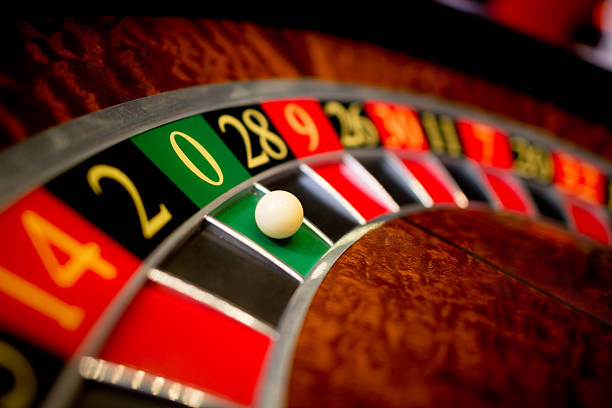
Moreover, the psychology behind risk-taking behaviors is deeply rooted in human nature. Some individuals are inherently drawn to high-stakes situations, seeking out environments where uncertainty thrives. This attraction can stem from a desire for excitement or a need to escape from mundane daily routines. As a result, gambling becomes not just a game of chance but a source of adrenaline and thrill that captivates players for extended periods.
The Role of Cognitive Biases
Cognitive biases significantly influence gambling behavior, often leading players to make illogical choices. One common bias is the gambler’s fallacy, where individuals mistakenly believe that past outcomes affect future probabilities. For example, if a slot machine hasn’t paid out in a while, a player may feel it’s “due” for a win. This misinterpretation can result in irrational wagering and prolonged gambling sessions, even when the odds remain unchanged.
Another prevalent cognitive distortion is the illusion of control, where gamblers overestimate their ability to influence game outcomes. Many players believe that specific strategies or rituals can sway the results in their favor, leading them to invest more time and money than they initially planned. This feeling of empowerment can be intoxicating but ultimately misleading, as most gambling games operate on chance rather than skill.
Additionally, the confirmation bias plays a role, where individuals only acknowledge information that reinforces their beliefs while dismissing contrary evidence. A player may focus on their wins and downplay their losses, creating a skewed perception of their gambling success. This selective memory can encourage continued participation, even in the face of mounting financial losses, perpetuating a cycle of gambling behavior that can be challenging to break.
The Impact of Social and Environmental Factors
Social influences and environmental factors play a significant role in shaping gambling behaviors. For many individuals, gambling is often a social activity, intertwined with gatherings of friends or family. This communal aspect can enhance the enjoyment of gambling, but it can also lead to peer pressure, pushing individuals to gamble more than they might on their own. In social settings, the thrill can become contagious, making it difficult to resist participating.
Moreover, the environment in which gambling occurs can amplify its allure. Casinos and online gambling platforms are meticulously designed to evoke excitement and keep players engaged. Bright lights, alluring sounds, and enticing visuals create an immersive experience that can distract from time and money spent. The design of these environments often encourages prolonged play, capitalizing on the psychological responses of individuals who crave excitement and reward.
Additionally, cultural perceptions surrounding gambling can influence individuals’ behaviors. In some societies, gambling is viewed as a legitimate entertainment option, while in others, it may carry a stigma. These cultural narratives can shape personal attitudes toward risk-taking and gambling participation. Individuals raised in environments that normalize gambling may find themselves more predisposed to engage in these activities, leading to varying levels of gambling frequency and behavior.
The Role of Emotional States in Gambling
Emotional states significantly impact gambling decisions, often dictating when and how individuals choose to play. Many people turn to gambling as a means to cope with stress, anxiety, or depression. The excitement of the game can provide a temporary escape from emotional turmoil, creating a pattern where gambling becomes a coping mechanism. This reliance can escalate, leading individuals to gamble more frequently to achieve the same emotional release.
Conversely, positive emotions can also drive gambling behavior. Individuals celebrating a success or milestone may be more likely to gamble, viewing it as a reward. The thrill of celebrating wins can amplify these behaviors, creating a sense of euphoria that compels individuals to repeat the experience. This connection between emotional highs and gambling can lead to a pattern where players seek out the gaming experience as a form of emotional validation.
Recognizing the emotional drivers behind gambling is crucial for understanding why some individuals may struggle with their gambling habits. Addressing underlying emotional issues through healthier coping strategies can mitigate the inclination to gamble. Support systems, whether through friends, family, or professional counseling, play a vital role in helping individuals recognize and alter these patterns before they lead to detrimental consequences.
Exploring Responsible Gaming at Lanista Casino
At Lanista Casino, we understand the complexities of gambling behavior and prioritize responsible gaming. Our platform promotes an enjoyable yet safe gambling environment, encouraging players to engage with awareness of their emotional states and financial limits. We offer resources and tools designed to help individuals assess their gambling habits, ensuring that gaming remains a source of entertainment rather than a potential source of distress.
Furthermore, our commitment to responsible gaming extends to providing educational materials that outline the psychological triggers associated with gambling behavior. By fostering an understanding of these triggers, we aim to empower our players to make informed decisions. Whether it’s setting deposit limits, participating in self-exclusion programs, or recognizing the signs of problem gambling, our goal is to support players in maintaining control over their gaming experiences.
We invite you to explore our diverse selection of games in a responsible manner. With over 8,000 options, including slots, jackpots, and live dealer games, there’s something for every player at Lanista Casino. We encourage a balanced approach to gaming, promoting fun and excitement while also safeguarding against the potential pitfalls associated with excessive gambling. Join us today and experience the thrill of gaming in a responsible and enjoyable way!
